
Behavior
Churchill's Orange Cat and the Genetics of Orange Fur
Churchill wanted an orange cat at Chartwell at all times, and the current one is the seventh. That color request has a hidden genetic consequence.
Read Full ArticleScience-based information, nutrition guides and full transparency to help you take great care of your best friend — dog or cat.
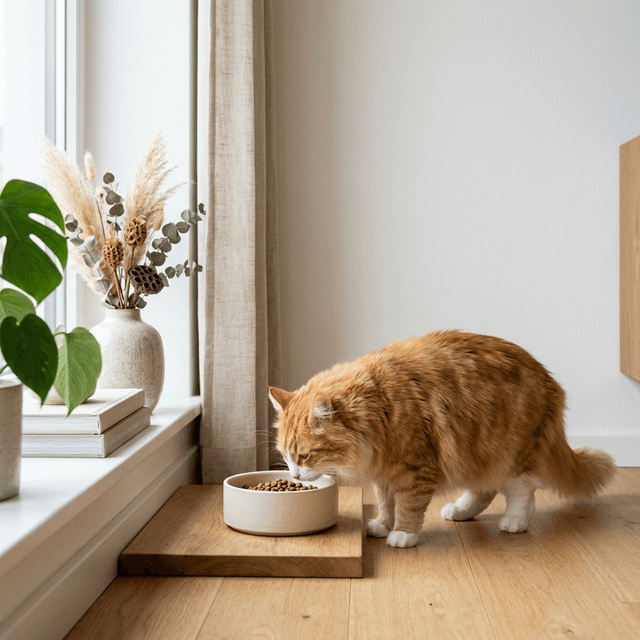
Churchill wanted an orange cat at Chartwell at all times, and the current one is the seventh. That color request has a hidden genetic consequence.
Read Full Article
The Rottweiler carried the butcher's money pouch around its neck. Newfoundland, Husky and Saint Bernard also had jobs before pet dogs existed.
Read Full Article
The Turkish Van goes into water by choice, and it isn't personality: the breed was born without an undercoat, and that absence makes the coat water-repellent.
Read Full Article
Poodles and Dachshunds are one breed in several sizes. Schnauzers and Pinschers are not: each size has its own standard and registry number at the FCI.
Read Full Article
Sphynx, Selkirk Rex, Devon Rex and Cornish Rex each began with one cat, with a name and a date. And a test mating proved Devon and Cornish are not related.
Read Full Article
Researchers measured whether dogs recognize their own name in noise. They succeed at a noise level where a thirteen-month-old baby can no longer keep up.
Read Full Article
The famous canine ranking by Stanley Coren comes from a survey of obedience judges. Learn why it can't be used for cats and what the research measures instead.
Read Full Article
Fila, Terrier Brasileiro, Buldogue Campeiro, Ovelheiro Gaúcho and Rastreador Brasileiro: five dog breeds from Brazil, with origins and official recognition.
Read Full Article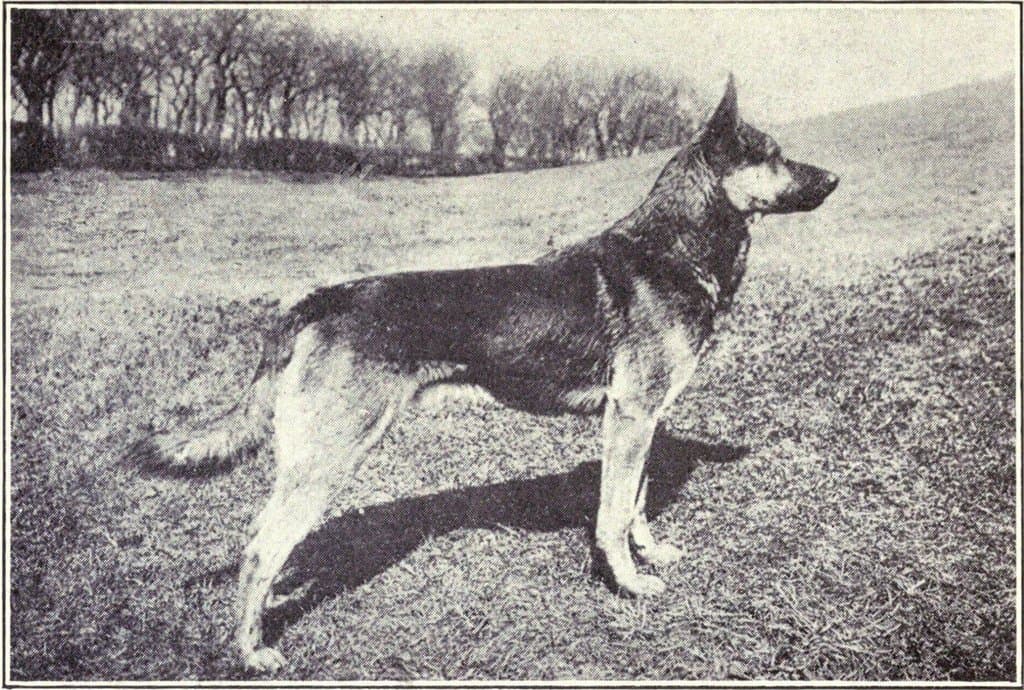
Photos from 1915 next to photos from today show how the Bull Terrier, Dachshund, Boxer and German Shepherd changed shape in a century of selective breeding.
Read Full Article
A cat's half-open mouth and curled lip have a name: the flehmen response. It is the vomeronasal organ reading pheromones through the mouth, not the nose.
Read Full Article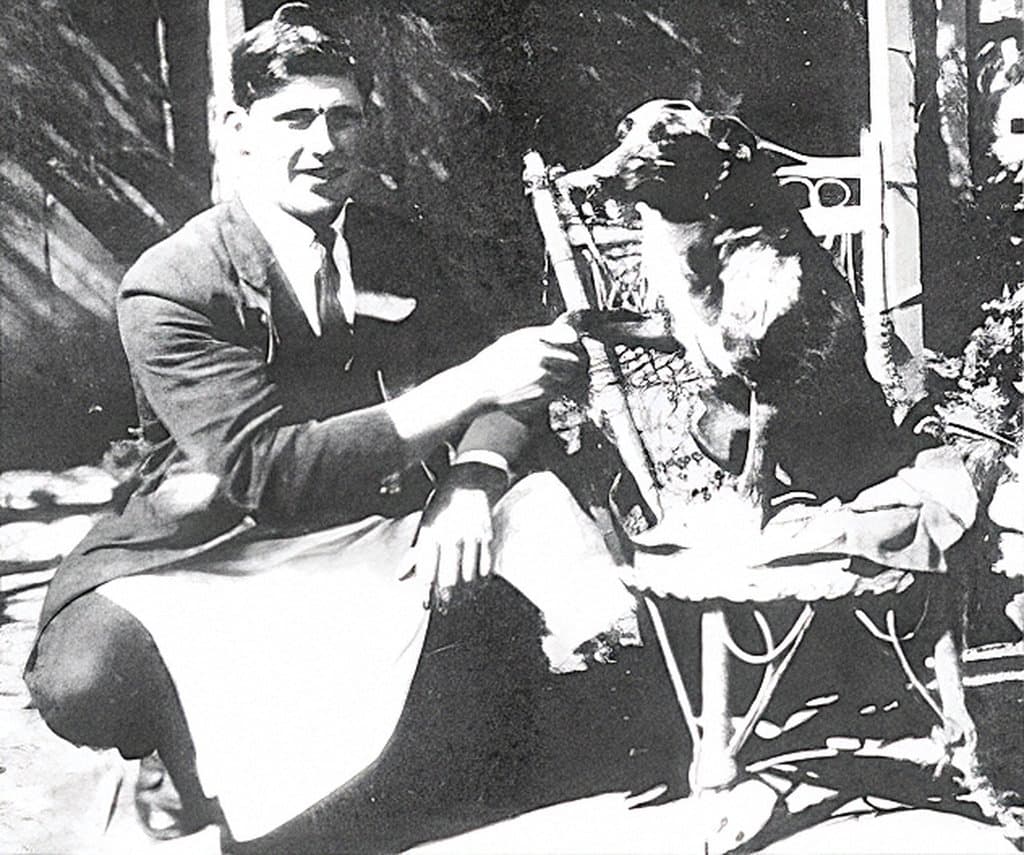
Bluey lived 29 years and 5 months and regained the Guinness record in 2024, when Bobi's title was canceled for lack of proof. Here is how it happened.
Read Full Article
Creme Puff lived 38 years and Grandpa Rex Allen 34 — the two records for the oldest cat in the world belonged to the same owner in Austin, Texas, USA.
Read Full Article
Find the real breed behind Scooby-Doo, Snoopy, Slinky, Lady and Dug — and why cartoons flip the breed's trait in some dogs and copy it in others.
Read Full Article
Ragdolls fetch, Bengals walk on a leash, Maine Coons follow you around. See 5 dog-like cat breeds and what that personality demands from you every day.
Read Full Article
Blue tongue, eyes that change color, an extra toe: five genetic dog breed traits that owners often mistake for a health problem. Here is what is normal.
Read Full Article
Hairless Sphynx, wavy-coated Devon Rex and Cornish Rex, short-tailed Japanese Bobtail: each body has a documented gene behind it — it's not a defect.
Read Full Article
Poodle, Dalmatian, Bulldog, Dachshund, Newfoundland and Rottweiler were designed for one specific job. Each breed's body still carries that mark.
Read Full Article
Maine Coon, Norwegian Forest Cat and Siamese all had work before becoming house pets — and each breed's body still carries the mark of that past.
Read Full Article
Huskies and Alaskan Malamutes get mixed up all the time, but tail, ears and eye color tell them apart. Learn the difference before choosing the wrong dog.
Read Full Article
Himalayans and Exotics are not separate breeds: they are the same Persian with different genes. Learn the real difference and the breathing cost they share.
Read Full Article
MRI scans of awake dogs showed the brain processes the word and the intonation on separate sides. See the 5 words your dog actually recognizes.
Read Full Article
Siamese, Oriental and Maine Coon are the most talkative cat breeds. Learn why the meow is aimed at you and what each breed's selection explains.
Read Full Article
Border Collies, Labradors and Jack Russells destroy more when left alone. Learn why it is separation anxiety and pent-up energy, not revenge.
Read Full Article
Adult cats barely meow at each other. Learn why the meow is reserved for you, the 3 most common types, and what each one asks for in daily life.
Read Full Article
Beagle, Chihuahua and German Shepherd are among the dog breeds that bark the most — see why barking is working instinct, not a lack of training.
Read Full Article
Why cats don't learn sit the way dogs do, and which command is actually worth training at home, using a simple method of just 5 minutes a day.
Read Full Article
A dog that pees while looking at you isn't being rude. See what this and 2 other everyday behaviors really say about how much your dog trusts you.
Read Full Article
Lordosis when you touch the tail, ears swiveling on their own, whiskers sensing air and a lashing tail: see the 4 cat reflexes and test them on your cat.
Read Full Article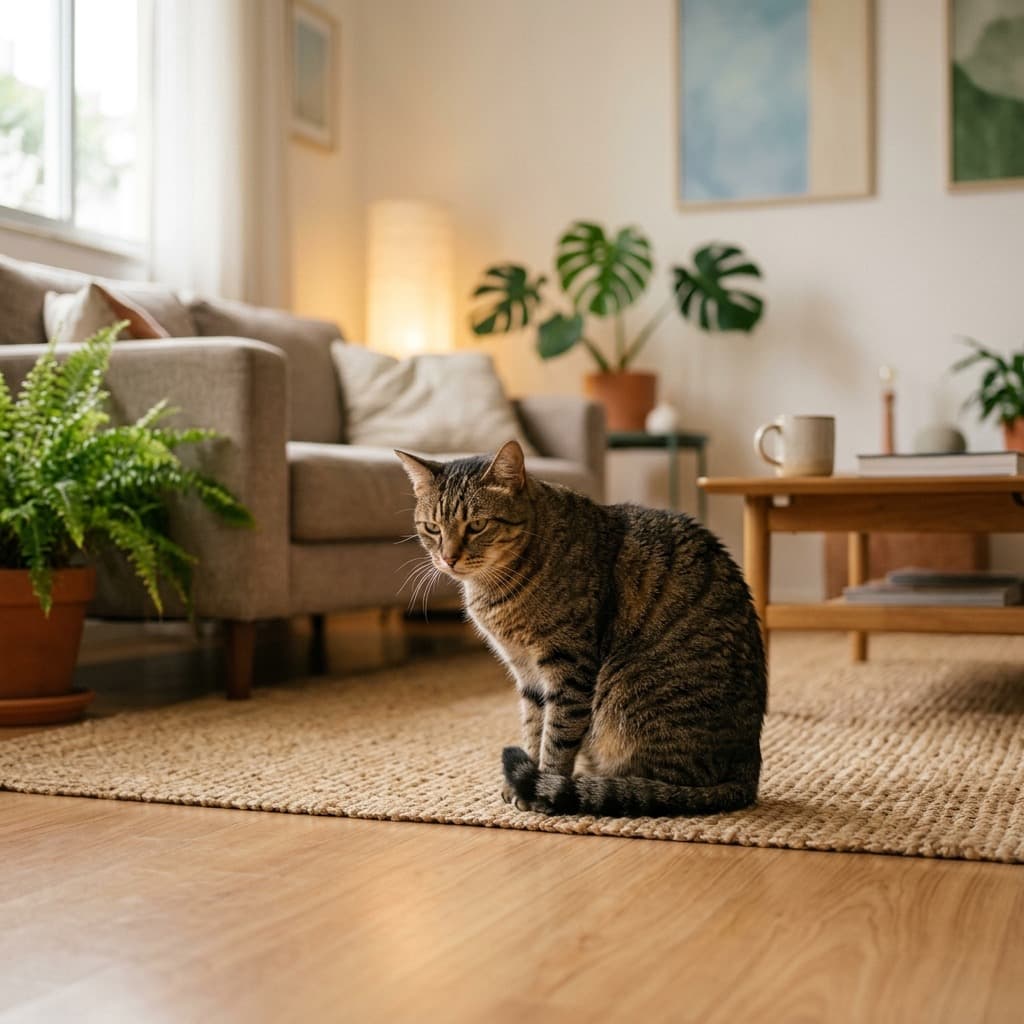
Find out why your cat eats grass: hairballs, folic acid or lack of fiber — what the science says and when the habit calls for veterinary attention.
Read Full Article
Poodles, Shih Tzus and 4 other breeds barely leave hair around the house. Learn why that happens and why a truly hypoallergenic dog breed is a myth.
Read Full Article
The Munchkin's short legs come from a real genetic mutation, lethal in a double dose, with joint deformity confirmed by imaging. Understand it before adopting.
Read Full Article
The 7 smartest dog breeds in the world, from Stanley Coren's ranking: see the full order and what this obedience test really measures about intelligence.
Read Full Article
Lilies, philodendron, tulips and four more common houseplants can kill a cat. See the signs of poisoning and what to do if your cat made contact.
Read Full Article
Find out whether your dog has a dominant paw using a simple three-throw test at home, and what lateralization can reveal about its behavior.
Read Full Article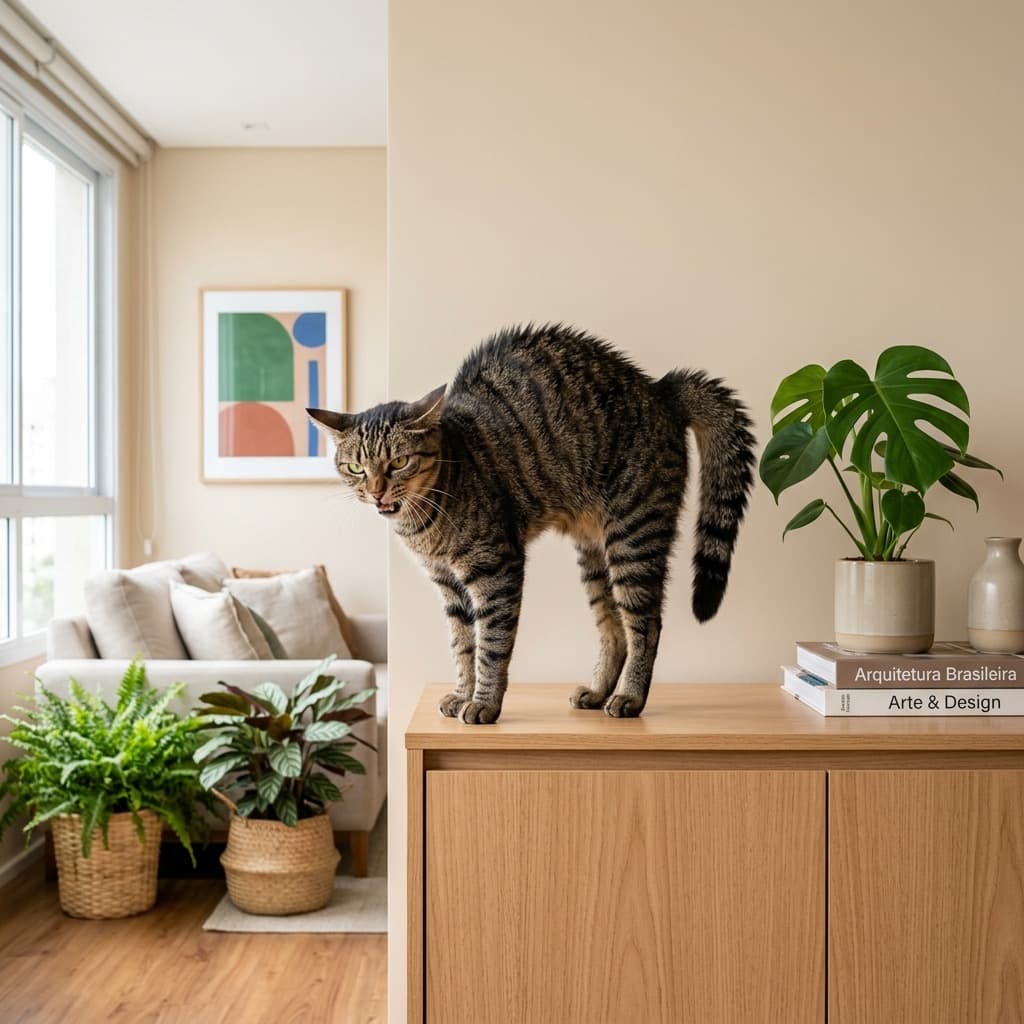
A cat's ears turned back are not fussiness: they are an emotional radar. See what each ear position warns of, and what to do before the cat strikes.
Read Full Article
Five dog breeds that do well in a small apartment: low energy, little barking, and the specific care each breed needs before you choose yours.
Read Full Article
Five dog breeds with low rates of hereditary disease, according to veterinarians, and the breeding logic (function vs. looks) that explains the gap.
Read Full Article
A cat that stopped jumping up high is often showing joint pain, not laziness. See why cats hide pain so well and when to see the veterinarian.
Read Full Article
Japanese research shows cats recognize their own names. Try the 4-word test at home and learn to read the subtle ear and head responses your cat gives you.
Read Full Article
Five popular dog breeds that worry veterinarians and the genetic disease each one carries: flat faces, long spines, deep skin folds and more.
Read Full Article
Cats may not see you as human the way we imagine. Learn the 5 scientific hypotheses about how your cat really categorizes you in everyday life at home.
Read Full Article
Cooked bones splinter into shards and can puncture a dog's intestine. Learn the risk of raw bones and the alternative veterinarians recommend for your pet.
Read Full Article
A dog sleeping belly up is not being needy: learn the temperature regulation and the sign of trust behind the pose, and when it can point to pain.
Read Full Article
Cat racing to the door and rubbing against your legs? Learn about the facial pheromone marking behind the greeting — and what it reveals about your bond.
Read Full Article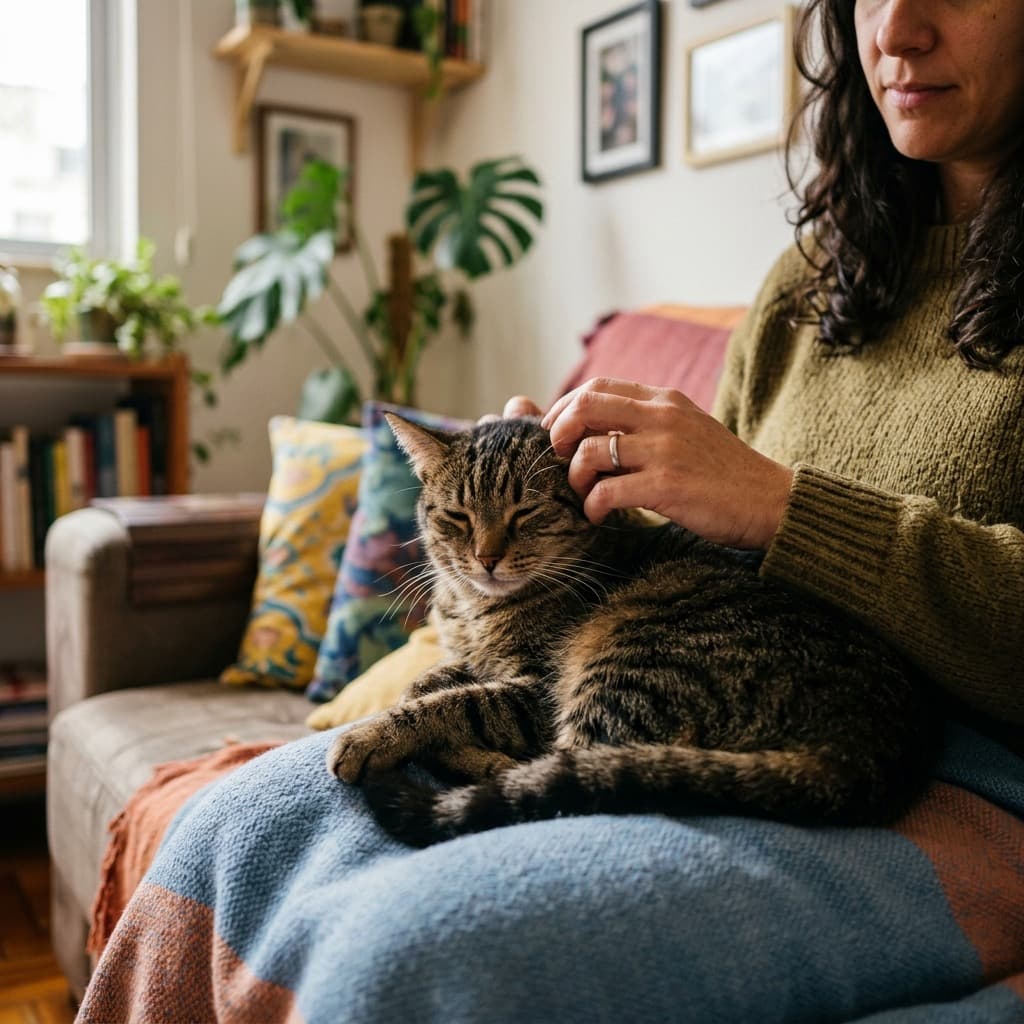
A cat turning its rear toward you isn't being rude: it's the feline greeting and a sign of trust that it only offers to those it considers family.
Read Full Article
Chicken over kibble is fine, but the cap is lower than it seems. The mistake isn't the chicken: it's adding it instead of subtracting from the day's kibble.
Read Full Article
Ten minutes of free sniffing tire a dog more than a kilometer of pulling. Learn why sniffing is mental work and how to change your dog's walk today.
Read Full Article
Is a purring cat a happy cat? Not always. Purring has 4 triggers: contentment, self-healing, requesting and self-comfort. Learn to read context and posture.
Read Full Article
The squeak mimics panicking prey and triggers the dog's hunting sequence. Learn why it repeats, kills the toy and loses interest once the sound is gone.
Read Full Article
Your cat takes your spot to blend your scents, not for warmth. Learn the real reason and why you should never push the cat out of its chosen spot.
Read Full Article
A study of nearly 600,000 dogs shows a flat face can shorten life by up to 40%. Understand the brachycephalic risk and how to care for these dogs daily.
Read Full Article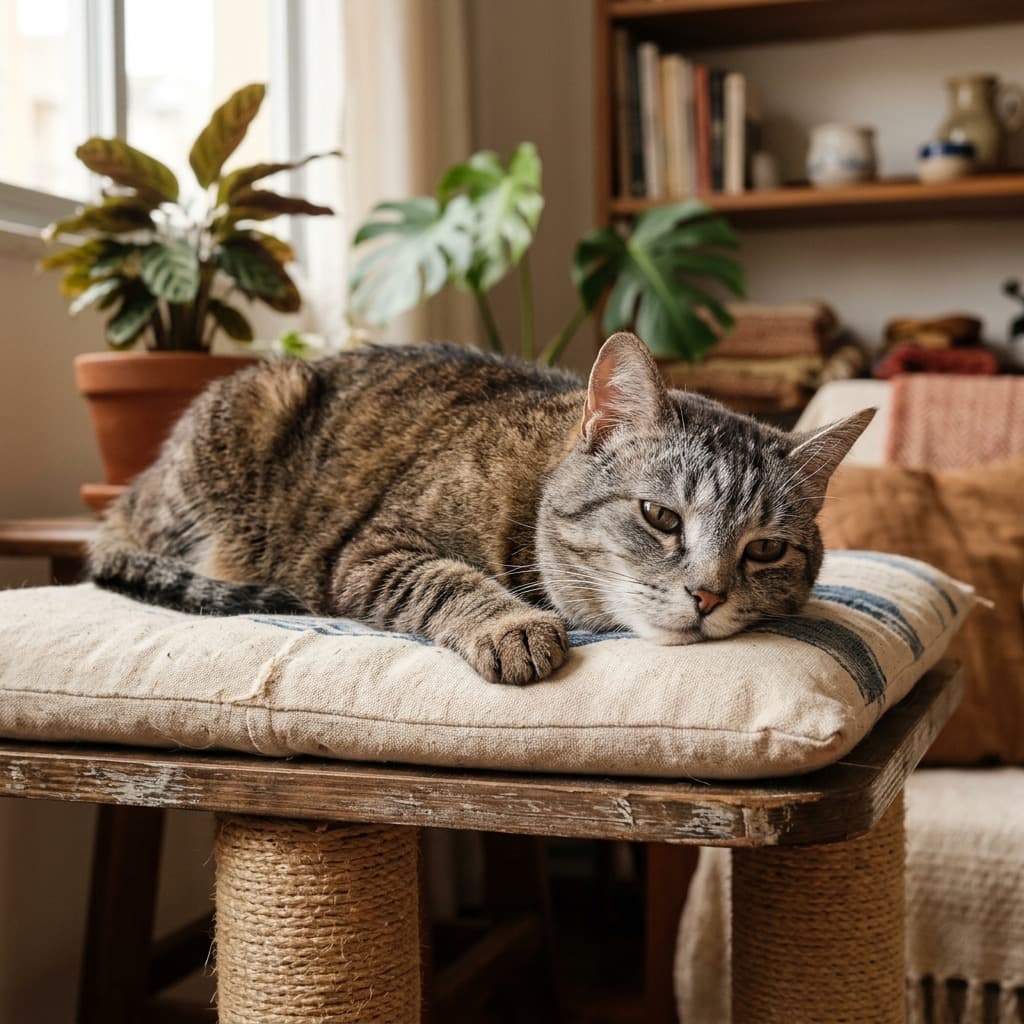
The x7 rule gets your cat's age wrong: at 10 years old, a cat is 56 in human years, not 70. See the real chart vets use and when seniority truly begins.
Read Full Article
Find out where to pet your cat without getting scratched: green zone (cheeks, chin), yellow (back) and red (belly, paws, tail). See the full map.
Read Full Article
A frontal hug stresses most dogs. See the 3 signs of discomfort during a hug and the side-on affection that actually works with your own dog.
Read Full Article
Does your dog sleep pressed against you, at your feet, face to face or in the corner? Each bed position shows a different level of trust. See the full map.
Read Full Article
Siamese, Maine Coon, Ragdoll and Persian: see which cat breeds really get along with dogs, and how to handle the first introduction at home.
Read Full Article
Does your dog 'check' on you all day? Learn about checking in, attachment and the secure base — and when that gaze becomes a sign of separation anxiety.
Read Full Article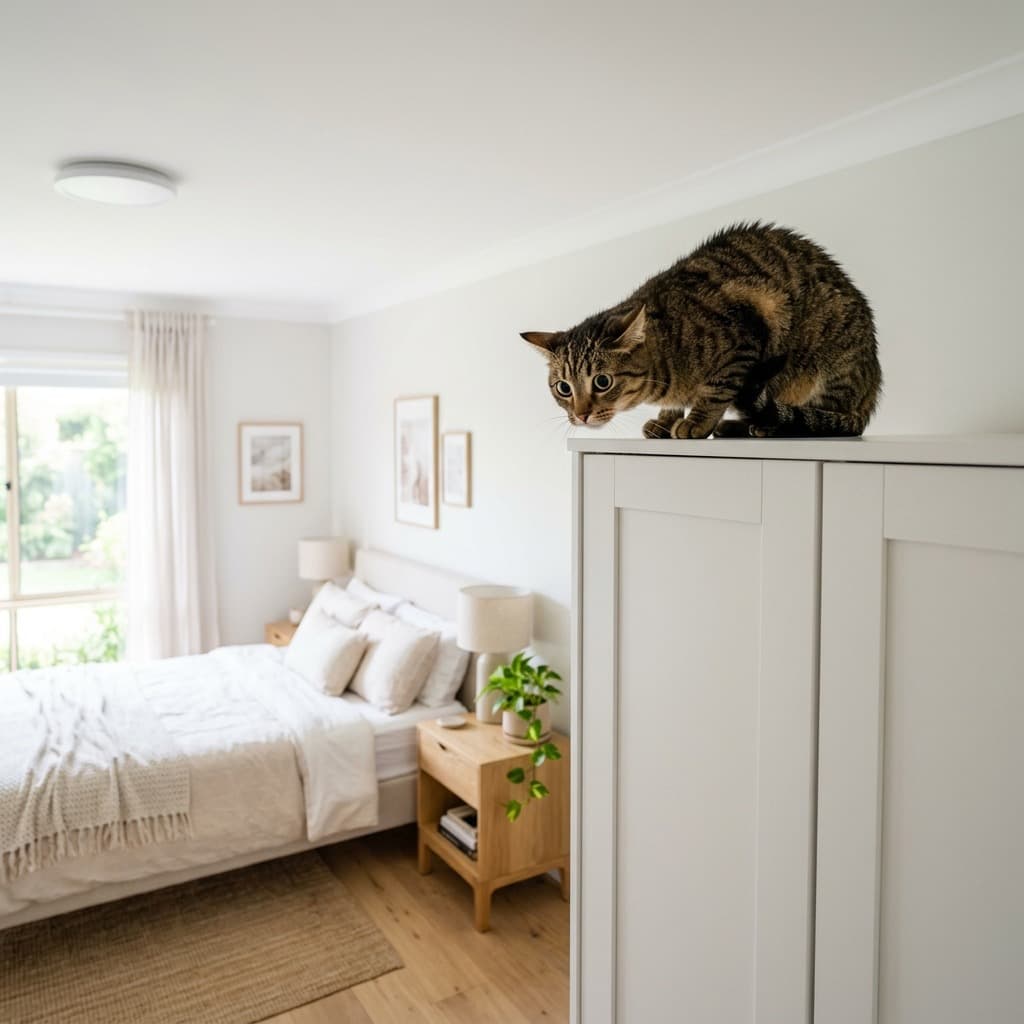
A bored cat shows signs in the body and the routine. See the 6 main ones and the simple 3-minute daily fix to put an end to your cat's boredom for good.
Read Full Article
A dog's paw on you has 3 meanings: attention, control and self-regulation. See how context tells you which one it is and respond in the right way.
Read Full Article
Cats do not apologize - they reconnect. Learn the after-fight gestures (head bunts, rubbing, upright tail) and why forcing affection too soon backfires.
Read Full Article
Learn dog body language through 9 common postures, from the play bow to the growl. Understand what your dog feels and improve how you communicate with him.
Read Full Article
Cat hair on the couch and your clothes? See 5 strategies that work: brushing, hydration, home care, omega-3 nutrition and when to call the vet.
Read Full Article
A blanket only makes sense below 10-15°C. See the 4 factors that decide whether it helps, hurts or makes no difference: size, coat, age and temperature.
Read Full Article
Ultraviolet light, ultrasonic sound, whiskers and even your heartbeat: see the cat senses that reveal a whole world that is invisible to humans.
Read Full Article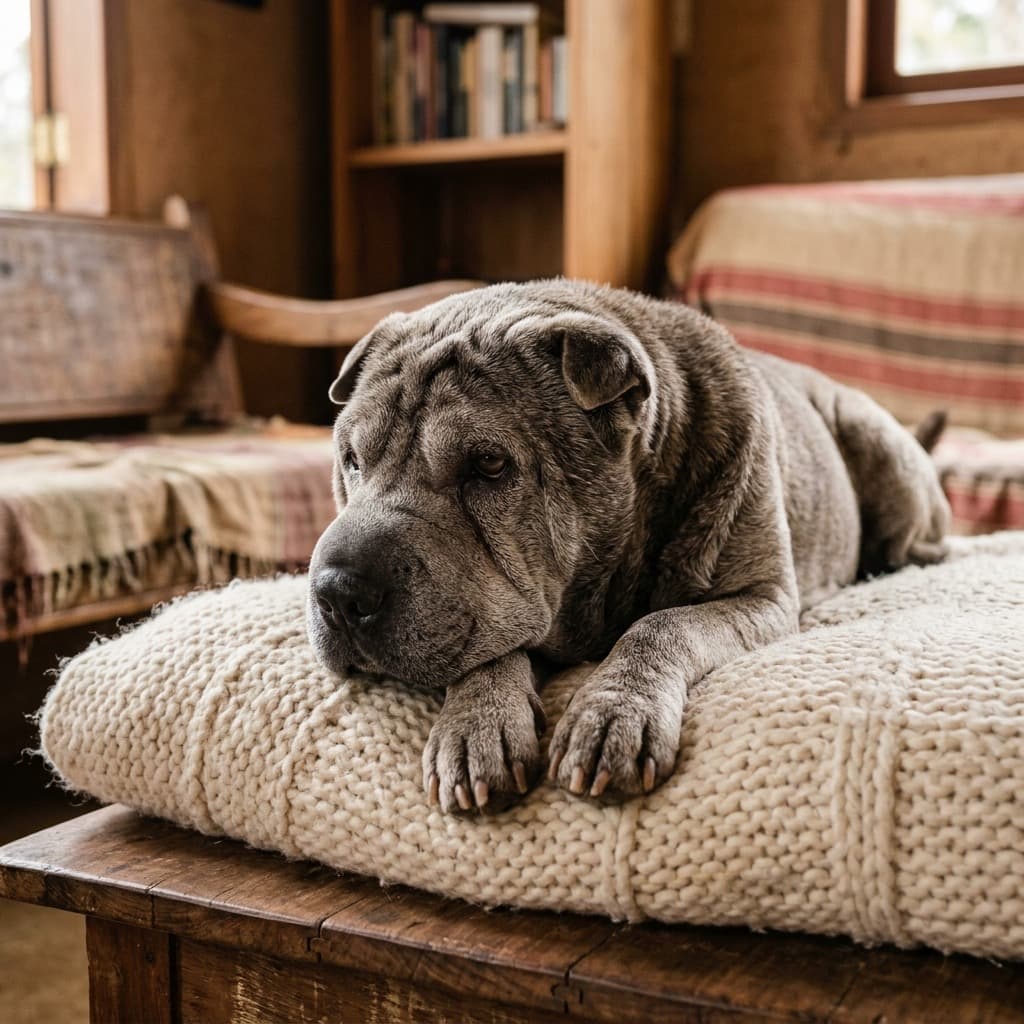
The 7 most common mistakes with dogs, condensed from a list of 100: repeating commands, scolding after the fact, same-old walks and more. Learn how to fix each.
Read Full Article
Before leaving your cat alone, run through this routine: water in several spots, measured food, a clean litter box, enrichment and a safe home for your cat.
Read Full Article
From the smell of your fear to Earth's magnetic field: 6 things only your dog can sense, explained by canine sensory science and animal behavior research.
Read Full Article
Yorkies face a risk of hypoglycemia and early dental disease. See what the breed's nutrition needs to prioritize at each life stage of the dog.
Read Full Article
The largest survey on coprophagia (Hart et al., 2018) found no link between eating poop and diet. See what the evidence supports and when to see the vet.
Read Full Article
The ideal switch happens between 9 and 12 months. See the physical signs that show the right moment — and why switching too early or too late has a cost.
Read Full Article
Wet food is 75-78% water versus 10-12% in dry food. See when each makes the most sense and how to compare nutrients between the two correctly.
Read Full Article
Dry cat food averages 5% water; wet food reaches 81%. See when each format makes more sense and why combining them lowers urinary risk in cats.
Read Full Article
Shih Tzus have a faster metabolism and a short jaw, so generic small-breed food does not always fit. See the breed-specific criteria for choosing their food.
Read Full Article
The age to switch food depends on a dog's size, and AAFCO has no senior profile of its own. See the senior age by size and the signs that call for a change.
Read Full Article
A renal diet for cats is not 'low protein' — it is restricted phosphorus and high-quality protein. See what IRIS recommends and what to avoid on the label.
Read Full Article
Puppies start mushy solid food around 3-4 weeks, but the right choice depends on expected adult size. See the schedule and the most common mistakes.
Read Full Article
BHA, BHT or natural? See what the FDA says about the safety of each type of preservative and how to read the label on your cat's food, step by step.
Read Full Article
A study found 40.5% of dogs in one large city carry excess weight. See the body condition score (BCS) and the signs of an inadequate food formula.
Read Full Article
38% of cats seen at a teaching hospital in Brazil are overweight or obese. See the body condition score (BCS) and 4 signs your cat's food is not working.
Read Full Article
Neutering cuts a dog's calorie needs by up to 33%. See what to adjust in the food to avoid the weight gain that affects so many neutered dogs.
Read Full Article
What AAFCO actually means by natural pet food, how to tell it apart from label marketing, and what to check on the ingredient list before paying a premium.
Read Full Article
Labradors carry a genetic mutation that raises appetite. See why the breed gains weight so easily and what nutrition must control to prevent obesity.
Read Full Article
Switching food all at once causes diarrhea and refusal. See the day-by-day schedule the American Kennel Club recommends for a trouble-free transition.
Read Full Article
See what the FDA found about DCM in dogs, why legumes matter more than grains, and the few cases where a grain-free dog food is really worth the switch.
Read Full Article
Grain-free cat food: see what AAFCO and the FDA say about grain allergy, dilated cardiomyopathy (DCM) and whether paying more for this kind of food is worth it.
Read Full Article
Golden Retrievers carry a documented genetic risk of hip dysplasia and weight gain. See what nutrition must prioritize at each stage of the breed's life.
Read Full Article
French Bulldogs have sensitive skin, a tendency toward allergies and a risk of weight gain. See what the breed's nutrition must prioritize beyond kibble shape.
Read Full Article
A dull or brittle coat in an otherwise healthy cat is often a nutritional deficiency, not a lack of brushing. See what to check in the food before the vet.
Read Full Article
Digestibility above 86% counts as high per the Merck Veterinary Manual. See the label criteria that genuinely help dogs with sensitive digestion.
Read Full Article
Diarrhea after a food switch, dietary indiscretion or intolerance: learn to tell dietary causes from infectious ones and when diarrhea is an emergency.
Read Full Article
A dog refusing food may be sick, in mouth pain, stressed or tired of the food. See the 5 causes, what to do for each and when to call a veterinarian.
Read Full Article
Few dog foods are truly free of chicken and poultry in the flavor and ingredient list. See how to read the label and which alternative proteins work.
Read Full Article
A dog that gulps down food in seconds has 5x the bloat risk, per the AKC. See why it happens and the proven ways to slow down mealtime and protect your dog.
Read Full Article
Urine pH and color in health-monitoring litter flag struvite crystal risk. See what to change in the food to correct it and when to call the vet.
Read Full Article
Understand the AAFCO definition of animal by-product, why by-product meal shows up as a first ingredient in cat food and when the term is a real warning sign.
Read Full Article
5 cat breeds that adapt well to apartments - Persian, Siamese, Maine Coon, Angora and the mixed-breed cat. See why routine and vertical space matter more.
Read Full Article
A study found 83.2% of cats on automatic feeders reached ideal body condition, against 40% on two meals. See what it solves and what it does not.
Read Full Article
Losing a dog hurts because of attachment, oxytocin and the routines that vanish. See which grief reactions are normal and how to cope with the pain.
Read Full Article
Does your cat understand what we say? A Scientific Reports study shows it recognizes its own name; four other words work through tone and repetition.
Read Full Article
Licking is not only affection. See the real reasons behind a dog's licking — from feeding heritage to self-soothing — and when it becomes a warning.
Read Full Article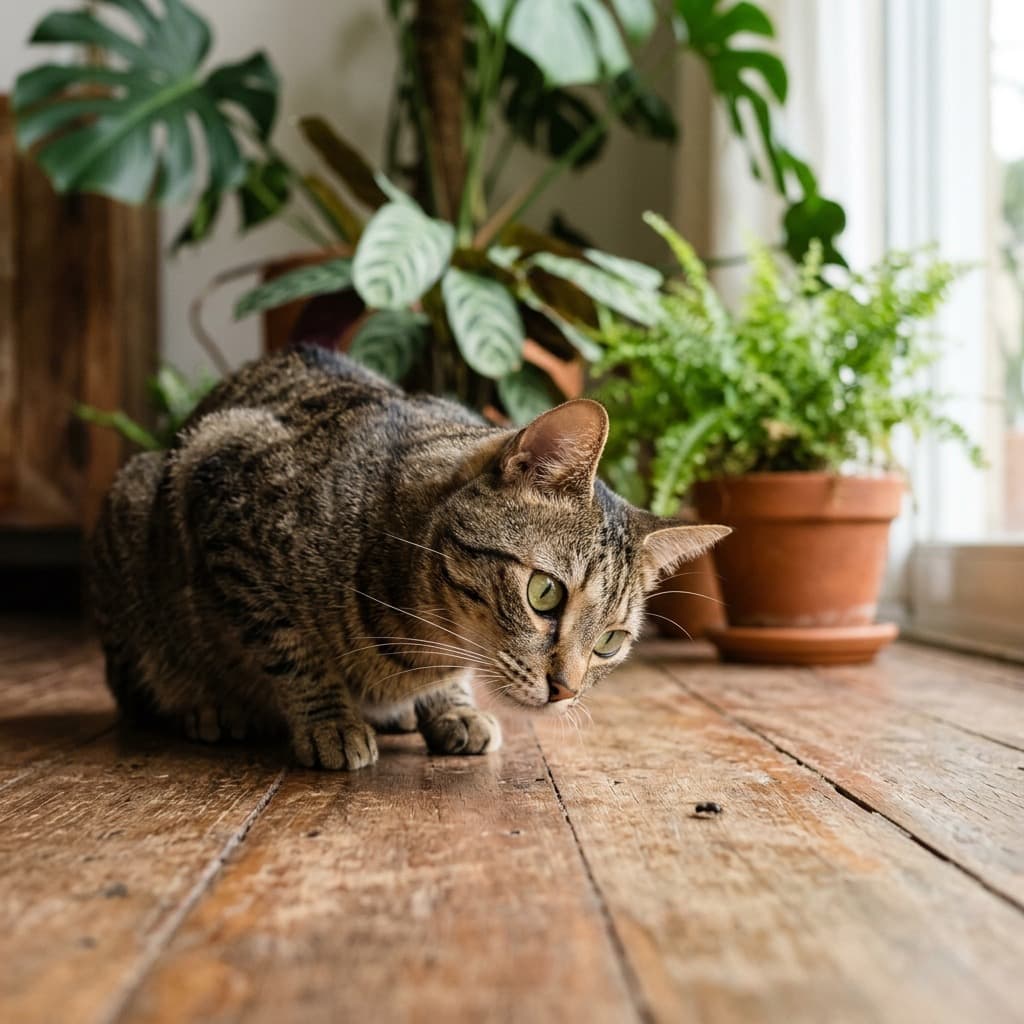
Cats are not that independent and purring does not always mean happiness. See the cat myths veterinary science debunks and what changes in their care.
Read Full Article
Does your dog climb on top of you out of nowhere? There are 8 possible reasons, from seeking attention to fear and cold. Learn to spot each and what to avoid.
Read Full Article
Step-by-step guide to trimming your cat's nails without scratches or stress: where the quick is, how to desensitize gradually and why stopping early is key.
Read Full Article
Nighttime dog zoomies have 4 distinct causes: energy, hunger, boredom and the internal clock. See how to identify yours and adjust your dog's daily routine.
Read Full Article
A cat going outside the litter box is almost never spite or revenge. See the 6 most common mistakes and how to fix each one so your cat goes back to the box.
Read Full Article
Dreaming, circling, patrolling and switching spots: learn the most common nighttime dog behaviors and which one proves the bond between you two.
Read Full Article
Feline kidney disease is silent. Learn the 4 early signs - thirst, weight loss, vomiting with ammonia breath and lethargy - and when to see the vet.
Read Full Article
Science shows your dog treats you like a parent: a secure base in moments of fear and oxytocin in the gaze. Understand the bond and how to care for him better.
Read Full Article
The science of feline behavior: why your cat treats you like another cat, what the slow blink means and why the meow was invented just for you.
Read Full Article
Learn to brush your dog's teeth in 2 minutes a day: the right toothpaste, the gum line and a gradual 14-day introduction. Step-by-step guide.
Read Full Article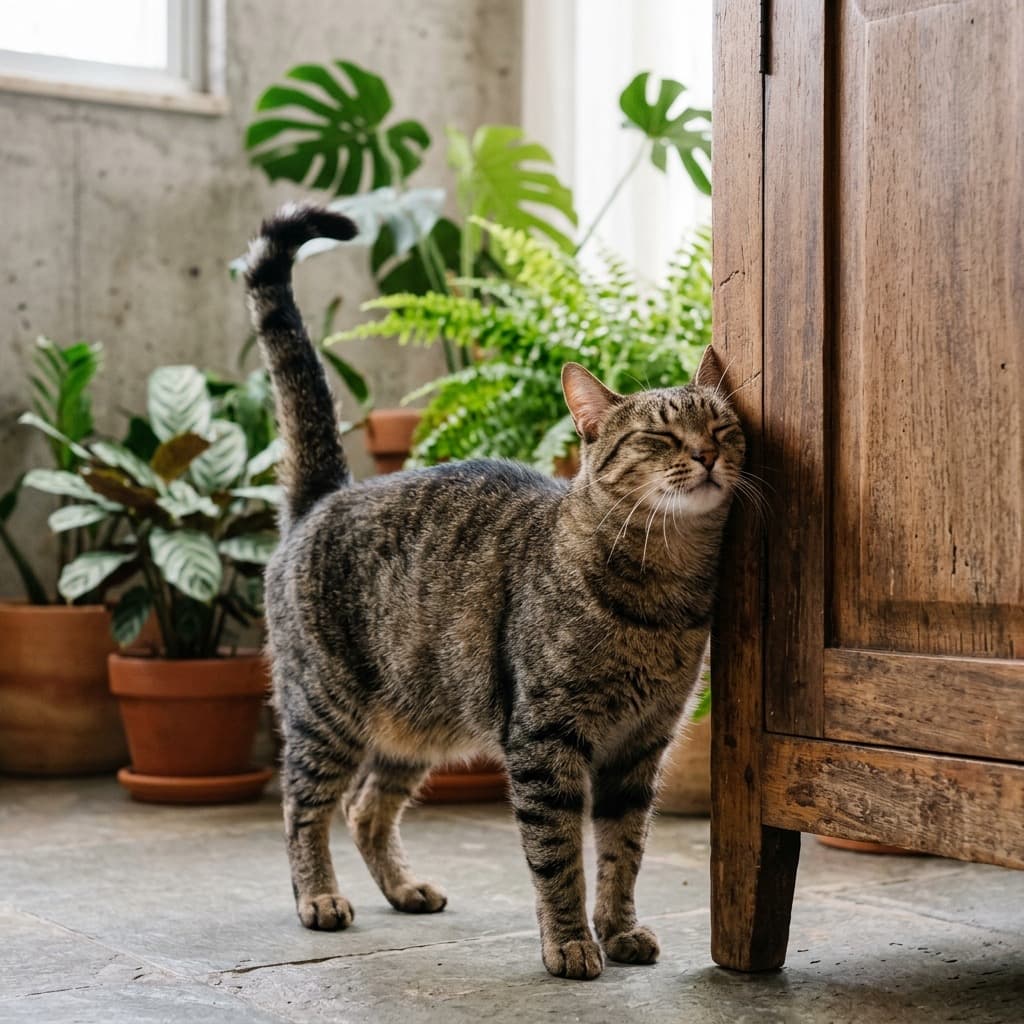
Learn to read the 7 signs of a happy cat: slow blinking, a bared belly, purring and kneading. Find out what your cat really feels about you.
Read Full Article
A dry nose is not a sign of illness and dogs do not see only black and white. See the dog myths veterinary science debunks and what changes in your care.
Read Full Article
8 warning signs in cats that look harmless but can be serious, such as hepatic lipidosis. See what to watch for and when to go to the veterinarian.
Read Full Article
A swollen, hard belly with unproductive retching points to bloat in dogs. See the emergency signs and why every minute counts to save your dog's life.
Read Full Article
Six behavioral reasons explain why your dog sleeps in your bed: thermoregulation, pack bonding, oxytocin and more. Here is what is going on at night.
Read Full Article
Does your dog ignore commands at the wrong moment? Learn the real mechanics of obedience — timing, marking and immediate reward — and apply them today.
Read Full Article
A cat knocking things off shelves is not revenge but hunting instinct. Learn to redirect it with toys, enrichment and a neutral owner reaction.
Read Full Article
A dog's lean is not just affection: it is a search for security and emotional regulation. Learn how to spot the gesture and respond to strengthen the bond.
Read Full Article
Dogs and cats read expression, voice and scent to detect human emotions. Understand the science of the emotional bond and what changes in their behavior.
Read Full Article
Does your dog follow your every step and stare into your eyes? Learn the 7 signs of the canine bond and what each behavior reveals about attachment.
Read Full Article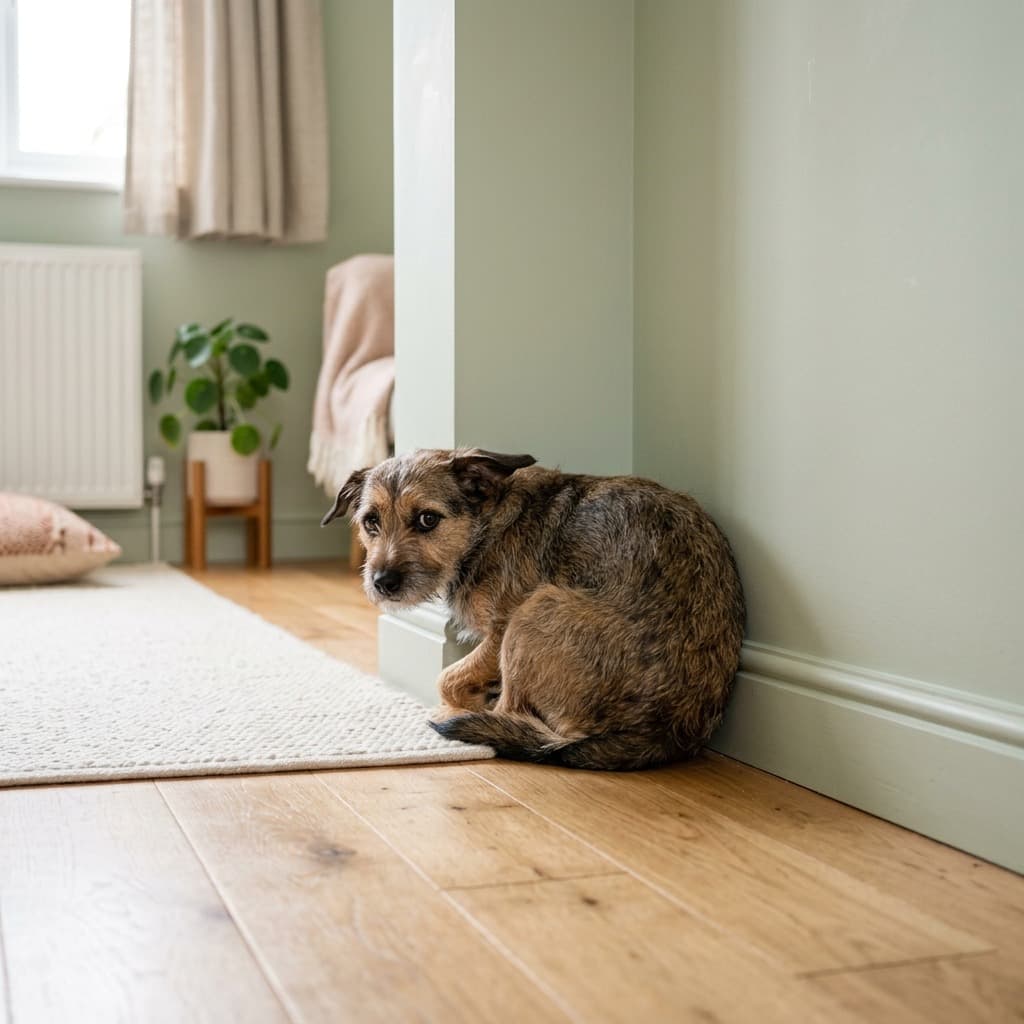
Does your dog lick his paws, tremble or destroy things? Learn 8 observable signs of canine anxiety and the first recommended step for each one of them.
Read Full Article
A cat scratching the couch follows a biological instinct, not a tantrum. Learn the real causes and how to redirect it with the right scratching post.
Read Full Article
Garlic is toxic to dogs at any amount — there is no safe dose. Understand what happens inside the body and what to do if your dog ate some of it.
Read Full Article
A very quiet cat can mean pain or illness. Rule of thumb: a change lasting over 48 hours calls for a vet. See the 9 signs that tell calm from sick.
Read Full Article
A single cube of cheese carries 200 mg of sodium — nearly half a dog's daily limit. See the 7 foods that overload the kidneys and the first warning sign.
Read Full Article
Continuous rewards past the learning phase, bad timing and no generalization create dependent behavior. How to fix it before it becomes a permanent habit.
Read Full Article
A dog stretching when it sees its owner is a greeting called the 'greeting stretch,' documented by ethology as a sign of bonding, not tiredness.
Read Full Article
Dogs lick their owner's feet for five behavioral reasons: bonding, chemical information, attention-seeking, stress relief and taste. Learn what each one means.
Read Full Article
A pouch with 12% protein can be 60% on a dry matter basis — or only 40%. See the formula to calculate it and when wet food beats dry for your cat.
Read Full Article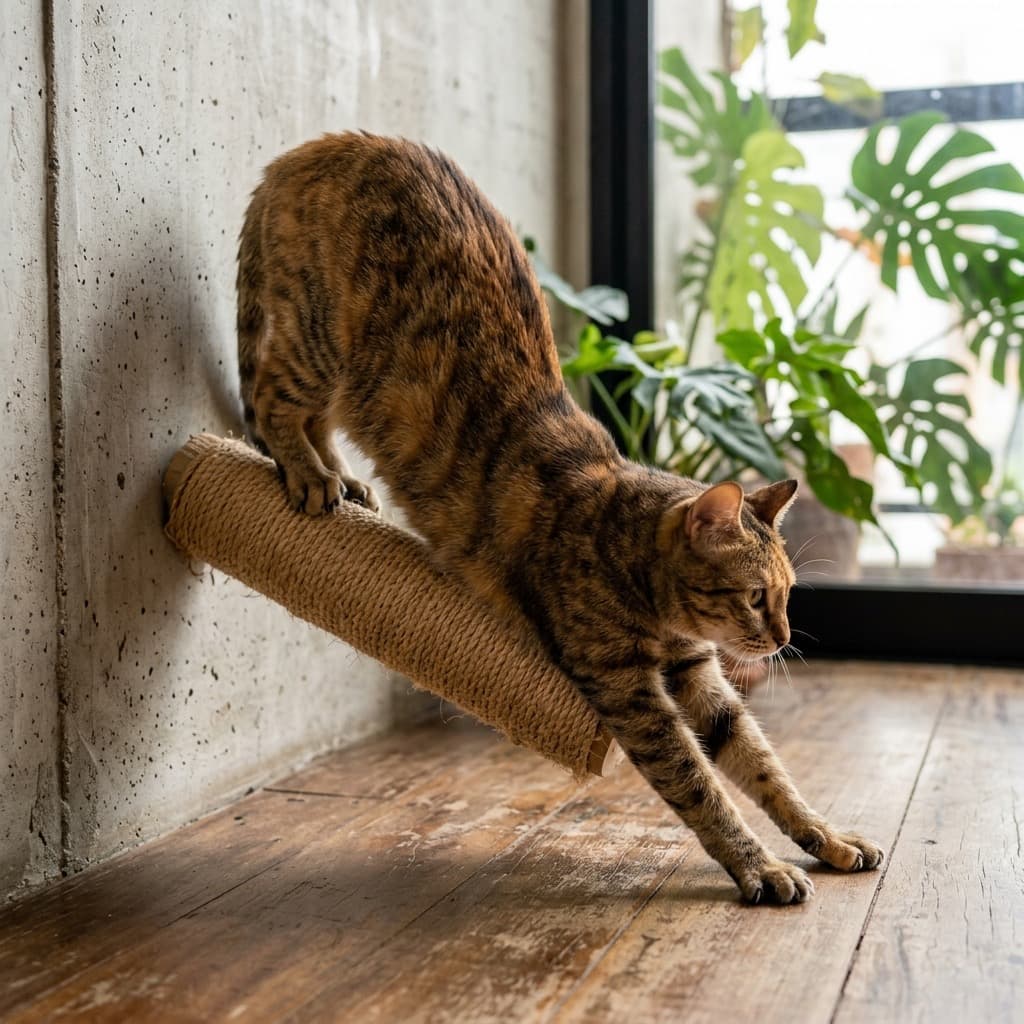
Glucosamine did not beat placebo in cats in a controlled trial, and turmeric carries a risk of liver toxicity in felines. See what the real evidence says.
Read Full Article
Compulsive paw licking can be a food allergy. Learn which ingredients inflame the skin, how the exclusion diet test works and when to switch your dog's food.
Read Full Article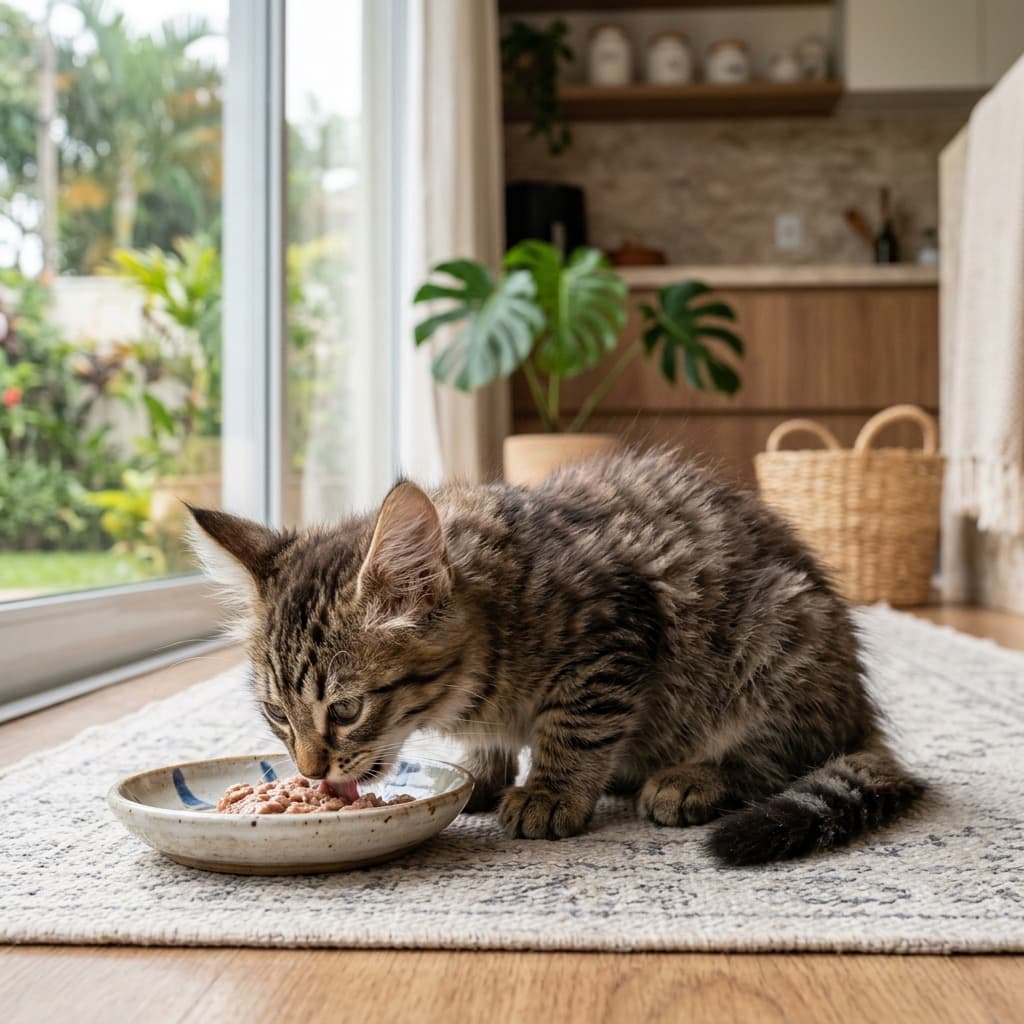
Exact weaning schedule (weeks 4-8), the 30% minimum protein rule, and how to avoid diarrhea when moving a kitten from milk to dry food. Start the right way.
Read Full Article
Named protein, 10-15% fat, 3-5% fiber and no artificial dyes: what the label must show so a cat with a sensitive stomach can digest its food without vomiting.
Read Full Article
Chronic itching can have a nutritional root. See the 3 label criteria in dog food that affect skin health — and how long it takes to see a difference.
Read Full Article
Senior dog losing weight while eating well? The issue is rarely quantity but low-quality protein. See what the label must show and when to suspect disease.
Read Full Article
Bone broth hydrates and boosts the appetite of a recovering pet, but does nothing for a healthy one. There is a maximum dose, and some recipes hurt pets.
Read Full Article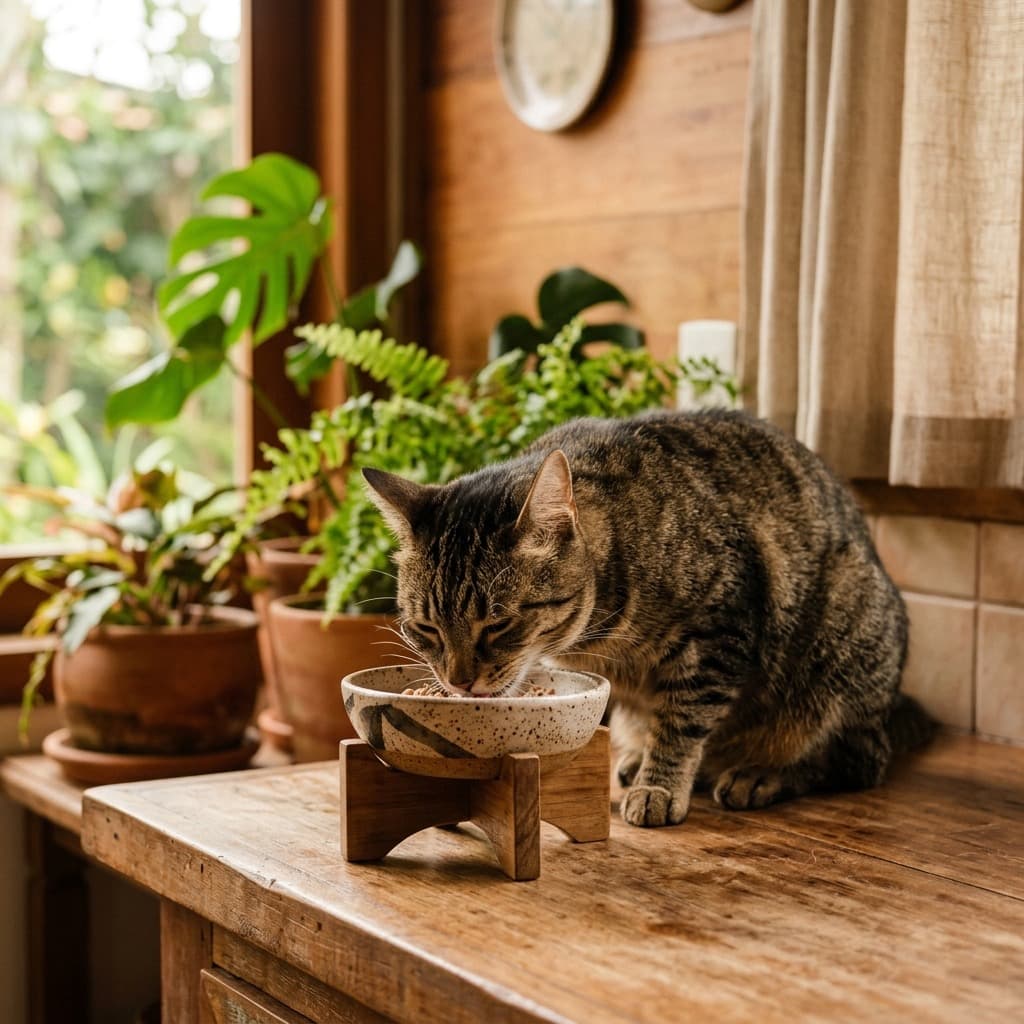
Adult cats eat up to 15% less in summer (University of Liverpool study), but 36 hours of eating very little needs attention due to hepatic lipidosis risk.
Read Full Article
Grapes are toxic to dogs even in small amounts. Learn what happens in the body, the signs of poisoning and when to rush to the veterinarian right away.
Read Full Article
Small dogs burn more energy per pound, need denser calories and smaller kibble. See why large-breed food fails them and what to check on the label.
Read Full Article
Anti-inflammatories for dogs and cats are never the owner's call. Learn which signs demand immediate withdrawal and how EPA/DHA and protein speed recovery.
Read Full Article
Round kibble slips and suffocates. Discover the kibble shape that lets a French Bulldog eat without respiratory effort — and how to test it at home.
Read Full Article
Bowl full for days? Learn the 6 most common reasons cats refuse food and how to tell which one is yours, before the critical 24-hour mark passes.
Read Full Article
Diarrhea within 24 hours of a food switch? The food is the prime suspect. See how an abrupt switch differs from chronic intolerance and what to do now.
Read Full Article
A senior cat needs MORE protein and less phosphorus, not the reverse. See the 3 numbers the package hides and how to protect kidneys and muscle.
Read Full Article
Vomiting after a meal may not be the food's fault. See the 4 factors to check, in order of probability, before you switch products and waste money.
Read Full Article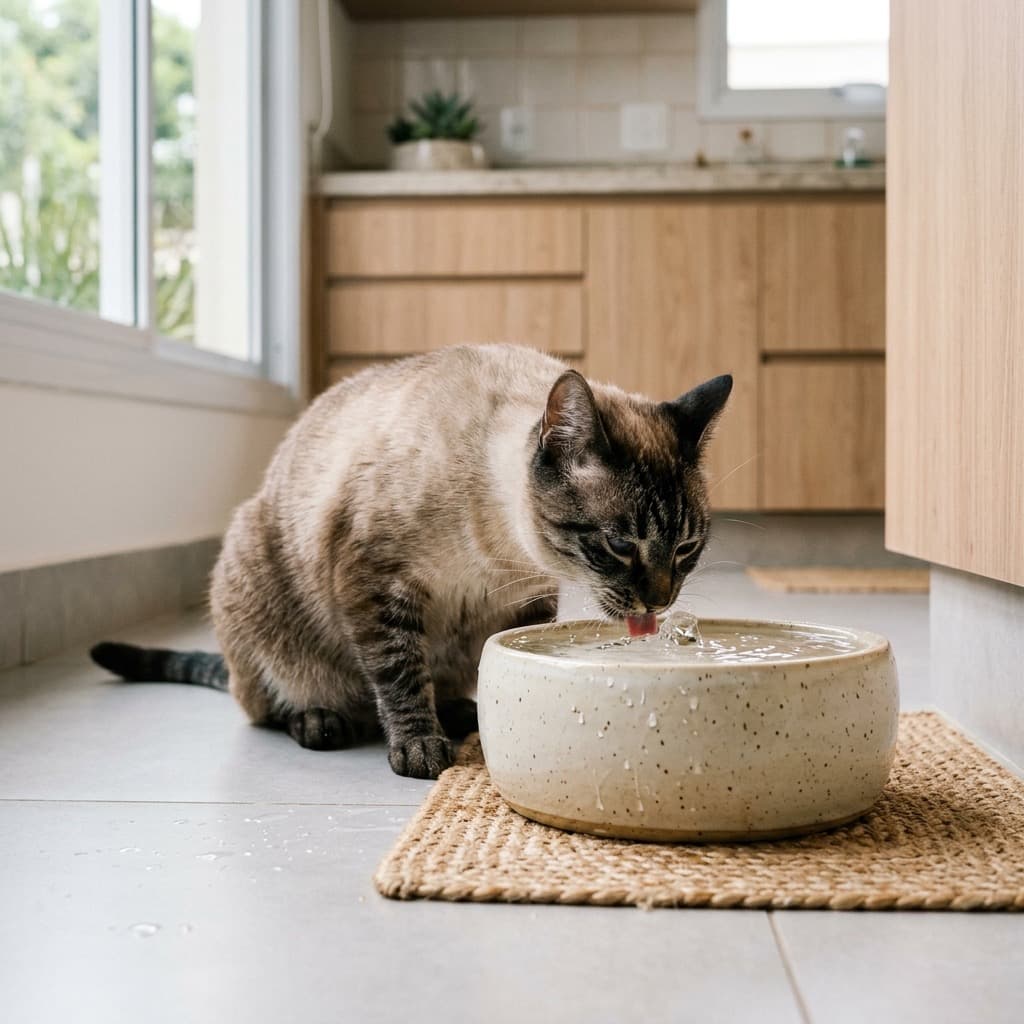
Dry food holds about 10% moisture; wet food has 68-78%. That gap causes chronic dehydration and urinary risk in cats. Here is what to change today.
Read Full Article
A sedentary dog needs a different profile: high protein, controlled fat, fiber for fullness. Learn why regular dog food makes apartment dogs gain weight.
Read Full Article
Learn to decode your cat food's ingredient list and guaranteed analysis so you can pick the best diet for your cat and avoid common label tricks.
Read Full Article
Neutered cats need about 25% fewer calories and a food with adjusted protein, minerals and urine pH to help prevent obesity and urinary problems.
Read Full Article