Dog Breed Traits That Look Like Defects (But Aren't)
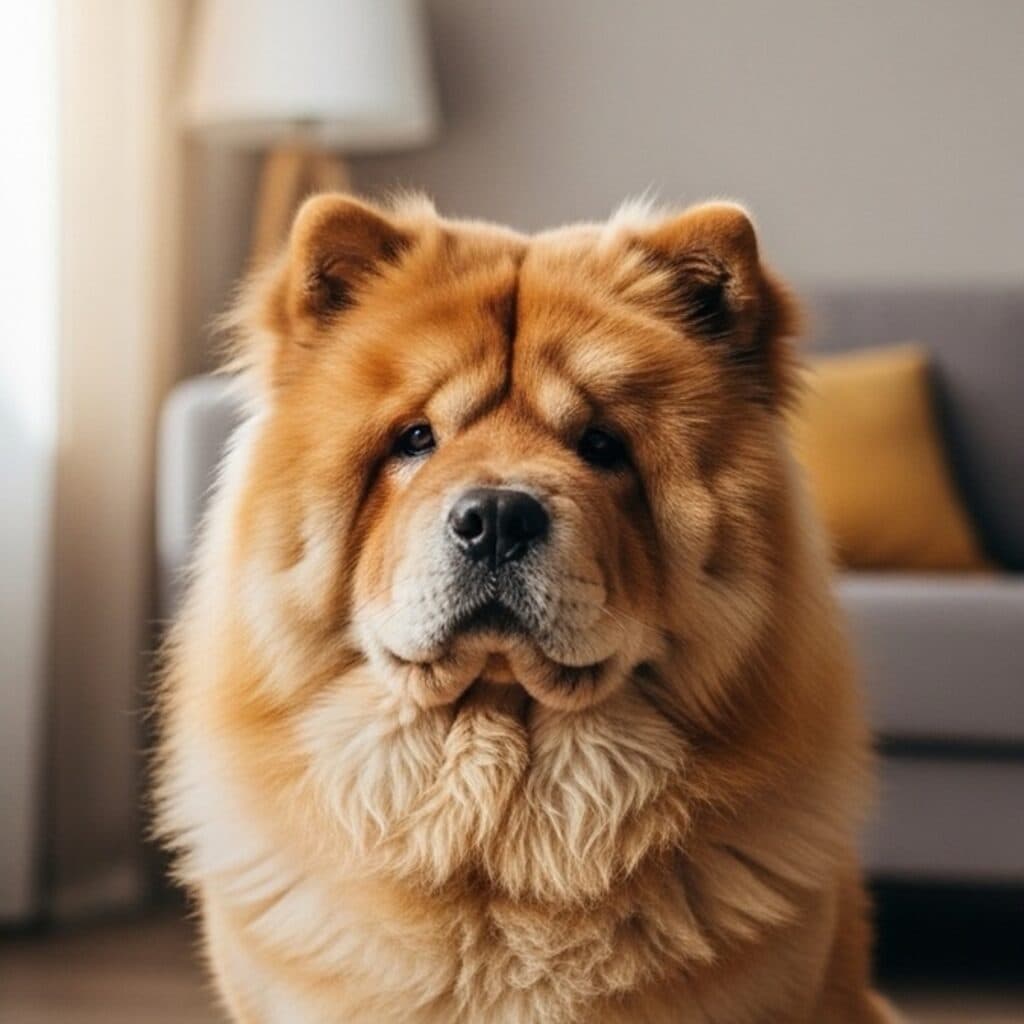
A Chow Chow with a bluish-purple tongue scares anyone unfamiliar with the breed. The first-time owner assumes it is a sign of a breathing, liver or circulation problem and rushes to the vet. It is not disease. It is documented genetics, with a mechanism, a name and a known time window — present in at least five dog breeds. Knowing these traits prevents false alarms and also helps you get suspicious when a seller promises a breed trait the animal doesn't have.
Five traits explained by genetics, not disease
Chow Chow: the tongue that is born pink and darkens
A Chow Chow puppy is born with a pink tongue, like any other dog. Between the sixth and tenth week of life, the pigmentation changes: excess melanin covers the tongue and it turns bluish-purple, a trait that stays with the dog for the rest of its life. It is a documented characteristic of the breed, unrelated to lack of oxygen or a liver problem — the most common confusion among people seeing an adult Chow Chow for the first time.
Dalmatian: born white, the spots come later
A Dalmatian puppy is born completely white. The black spots — or liver-colored, in some animals — appear in the first weeks of life, as the skin pigmentation develops. A puppy with no spots on day one is not a kennel mistake or a sign of mixing with another breed. It is the normal process of the breed, which any serious breeder already expects.
Weimaraner: blue eyes that change color
A Weimaraner puppy is born with blue eyes. The color is normal and expected until around six months of age. After that, the pigment completes and the eye shifts to the breed's characteristic shades — amber, gray or bluish-gray. An eye that stays blue well past that window may point to another issue and is worth investigating; within the window, it is simply normal development.
Rhodesian Ridgeback: the backward ridge of hair
Along the Rhodesian Ridgeback's back, the hair grows in the opposite direction from the rest of the body, forming a visible ridge that gives the breed its name. It looks like a bad grooming cut or a skin reaction, but it is a dominant genetic mutation, passed down from generation to generation. The American Kennel Club records the ridge as part of the official breed standard — an evaluation criterion at any dog show, not a deviation.
Norwegian Lundehund: six toes on each paw
Most dogs have four toes per paw. The Norwegian Lundehund has six, against four in any other dog. It is a rare breed, rarely photographed, and the trait doesn't show clearly in most available images — but it is documented as part of the breed's genetic standard, tied to the history of the dog used to hunt birds in rock crevices in Norway.
| Breed | Trait | When it appears or changes |
|---|---|---|
| Chow Chow | Bluish-purple tongue | Between 6 and 10 weeks of life |
| Dalmatian | Black or liver-colored spots | In the first weeks of life |
| Weimaraner | Blue eyes | Until around 6 months of age |
| Rhodesian Ridgeback | Reversed ridge of hair | From birth, permanent |
| Norwegian Lundehund | Six toes per paw | From birth, permanent |
When does an odd trait become a vet case?
A documented breed trait follows a pattern that is simple to recognize. It appears within an expected time window, doesn't come with pain, bleeding, swelling or a change in behavior, and repeats in other animals of the same breed — it is not unique to your dog.
Some signs indicate it is something else. A sudden change in the color or texture of hair, skin or tongue that used to be different. An extra toe with an abnormal shape, an ingrown nail or inflammation around it. An eye that changes color outside the expected window — for example, in adulthood, without ever having been that color before. Any trait accompanied by pain on touch, limping or loss of appetite.
In these cases, the criterion is not the appearance alone. It is the pattern. A documented genetic trait has a breed, a time window and a known mechanism. A clinical sign has a sudden onset, gets worse and usually comes with other symptoms.
What NOT to do
- Don't rush the puppy to an emergency vet just because the tongue, eye or coat changed within the window expected for the breed.
- Don't dismiss a documented trait as a defect and give up on a healthy puppy out of ignorance.
- Don't use the opposite argument to justify any anomaly: a breed trait has a breed, a mechanism and a defined window — a symptom without those three things is not a trait, it is a reason for a visit.
- Don't buy a puppy of a rare breed, like the Lundehund, just because the seller cites an isolated trait. Ask for pedigree and health documentation; the characteristic alone does not prove provenance.
Frequently asked questions
Does the Chow Chow's blue tongue indicate a lack of oxygen?
No. It is pigmentation from excess melanin, which appears between the 6th and 10th week of life and stays into adulthood. Lack of oxygen causes cyanosis in the mucous membranes, but that is an emergency, has a sudden onset and comes with other signs, such as labored breathing and fatigue.
Is a Dalmatian puppy with no spots normal?
Yes. Every Dalmatian is born white. The spots appear in the first weeks of life, as the skin pigmentation develops — there is no reason to be concerned about a newborn puppy with no spots.
Why does the Weimaraner's eye change color?
Because the final eye pigment is not complete at birth. The blue color is transitional and applies until around six months; after that, the eye takes on the breed's characteristic final shade.
Does the Lundehund really have more toes than other dogs?
Yes. Six toes on each paw, against four in most other dog breeds. It is a documented genetic trait, tied to the breed's origin in Norway.
Picked by score from our overall dog ranking, not by the topic of this article. To get it right for your pet — age, weight, spayed or neutered — take the quiz and get a list made for them. A pet with a diagnosed condition needs a diet prescribed by a veterinarian.



