Dog Breeds That Don't Shed: Which Ones Come Closest?
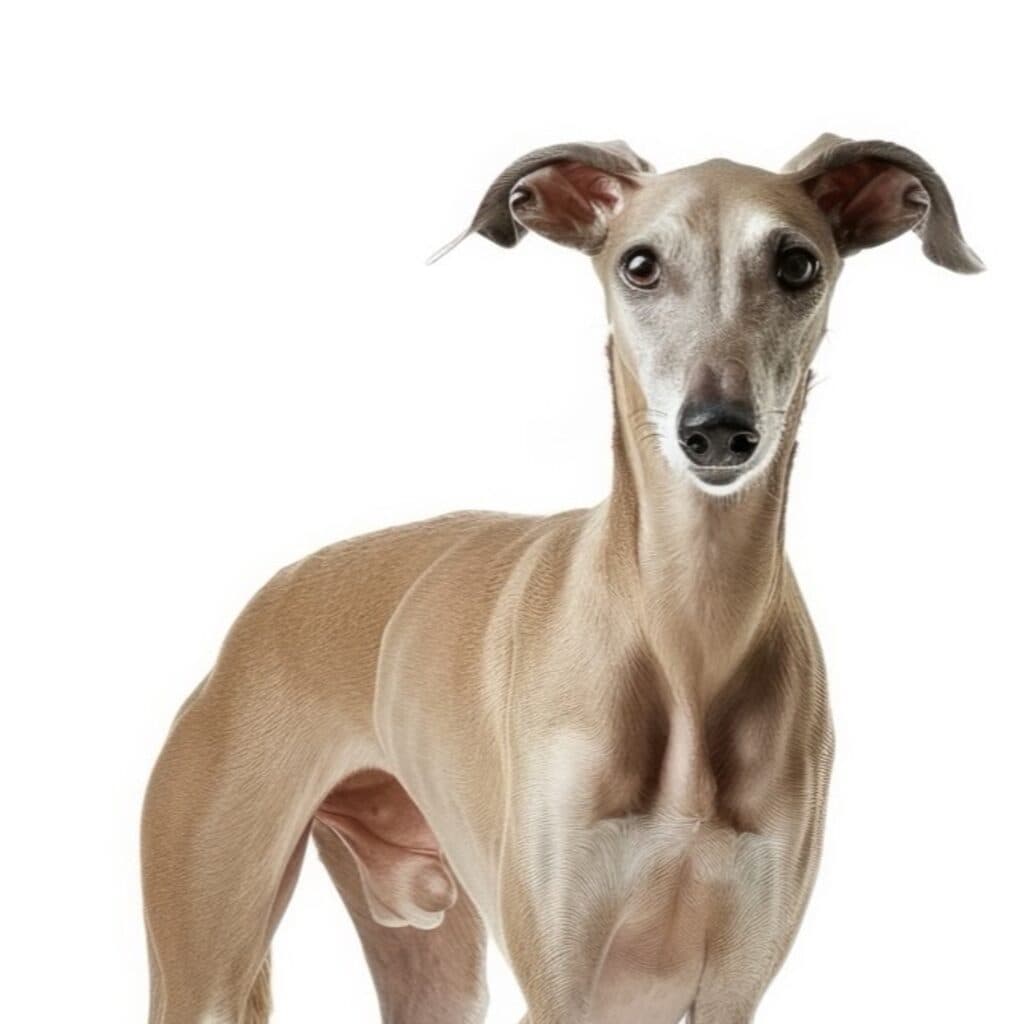
Some people swear there is a dog breed that "doesn't shed". There isn't — what exists is hair that grows nonstop, like human hair, instead of falling out in cycles as in the rest of dogs. The loose hair doesn't disappear: it stays trapped in the coat itself instead of ending up on the couch. That is why these breeds call for regular grooming, not a broom.
1. The 6 breeds with this continuous growth pattern
Six breeds share this coat characteristic:
| Breed | Coat characteristic |
|---|---|
| Poodle | The best-known example: curly hair that grows nonstop |
| Bichon Frisé | Same growth pattern, looser and fluffier hair |
| Schnauzer | Dense hair that never enters the seasonal shedding cycle |
| Shih Tzu | Hair-type coat, almost no loss around the house |
| Maltese | Fine, silky hair, also with continuous growth |
| Yorkshire Terrier | Hair-type coat, not an undercoat (what usually falls out in other breeds) |
None of them, however, is 100% hypoallergenic — the reason is further below.
Why does their hair grow nonstop?
Most dogs have a coat cycle: the hair grows to a point, goes into rest and falls out — usually in seasonal peaks (hence the "shedding season" at certain times of the year). In these 6 breeds, that cycle is much longer, almost continuous, just like human hair. The old strand eventually falls out, but stays tangled in the surrounding coat instead of spreading around the house — hence the sense that they "don't shed".
In practice, this means different maintenance: without a grooming session every 6-8 weeks, the hair keeps growing and can mat, forming knots stuck to the skin.
The hypoallergenic breed myth
Here is the most important warning: no breed is 100% hypoallergenic. The belief that "doesn't shed" is a synonym for "doesn't cause allergies" is a myth with the wrong name. The protein that provokes an allergic reaction in people is mainly in the dog's saliva and dander — not just in the hair that falls. A study from Henry Ford Hospital, cited by the American Kennel Club, with samples from 173 homes, found no relevant statistical difference in the amount of allergen between dogs called "hypoallergenic" and the others.
What these breeds actually offer is less hair spread around — which may help reduce symptoms in some people, but does not eliminate the risk of an allergic reaction.
Is it worth choosing a breed just because of its coat?
It depends on what weighs most in the decision. The coat pattern solves one specific problem (less hair on the couch), but it does not replace an evaluation of each breed's temperament, energy level and exercise needs — criteria that matter just as much, or more, for daily life together.
What NOT to do
- Do not choose the breed just for the coat, ignoring temperament and energy level.
- Do not skip regular grooming thinking "doesn't shed" means "needs no care".
- Do not assume the allergy will go away without first testing contact with the dog before adopting.
Frequently asked questions
Is a non-shedding dog good for people with allergies?
It helps reduce the hair spread around the house, but does not eliminate the risk — the protein that causes the allergic reaction is in the dog's saliva and dander, not just in loose hair.
How often do these breeds need grooming?
Generally every 6 to 8 weeks. Without grooming, hair that grows nonstop mats and can form knots stuck to the skin.
Do Poodles and Bichon Frisés have the same type of coat?
Yes, both have continuous, hair-type growth — the difference lies more in texture (curly in the Poodle, looser in the Bichon Frisé) than in the shedding cycle.
Can a mixed-breed dog have this type of coat too?
It can, if it inherits the trait in the cross — the continuous-growth pattern comes from coat genetics and does not require a purebred.
None of the 6 is magic, or hypoallergenic — they just trade the broom for a grooming routine. And before choosing by the coat criterion, it is worth looking at the rest of the routine the breed demands.
Picked by score from our overall dog ranking, not by the topic of this article. To get it right for your pet — age, weight, spayed or neutered — take the quiz and get a list made for them. A pet with a diagnosed condition needs a diet prescribed by a veterinarian.



