Food for Neutered Cats: What Changes in Their Diet
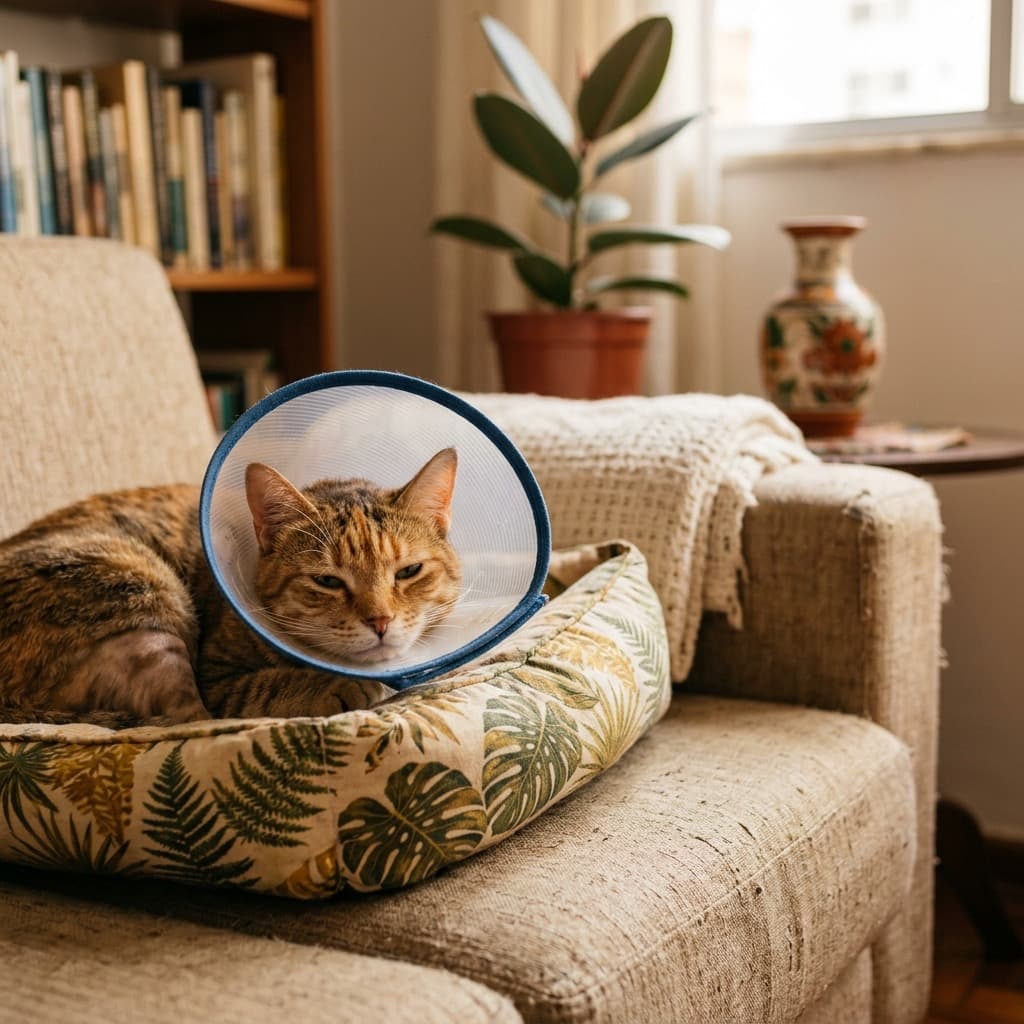
Neutered cats need about a quarter fewer calories than intact cats to maintain the same weight — but the brain keeps signaling hunger as before. That metabolic paradox makes the choice of food the main factor in preventing obesity and urinary problems after surgery.
Neutering reduces the production of sex hormones (testosterone in males; estrogen and progesterone in females), and those hormones regulate basal metabolism. Without them, metabolism slows down — but appetite does not: the cat asks for more food while burning less energy, creating a direct path to weight gain if the food is not adjusted.
1. Metabolism in Slow Motion
Right after neutering, the production of sex hormones (testosterone in males and estrogen/progesterone in females) drops sharply. These hormones play a role in regulating basal metabolism.
Without them, the cat's metabolism slows down. The FEDIAF nutritional guidelines (§7.2.4.2, Table VII-9) set the maintenance energy requirement of an indoor and/or neutered cat at 75 kcal per kg of metabolic weight (BW^0.67), versus 100 kcal for an active cat — in practice, about a quarter fewer calories. If you keep offering the same amount of food he received before surgery, weight gain is inevitable.
2. The Increase in Appetite: The Hunger Paradox
As if the metabolic reduction were not enough, neutering also interferes with satiety signals. Strangely, while the body needs less energy, the cat's brain signals that it should eat more. Neutered cats tend to show a voracious appetite and ask for food more often.
This is the perfect scenario for feline obesity, which is now considered the most common nutritional disease in domestic cats. Obesity is not just an aesthetic issue; it predisposes the animal to diabetes, joint problems (osteoarthritis) and respiratory diseases.
3. The Importance of Protein and Fiber
To fight weight gain without leaving the cat hungry, food for neutered cats uses two main strategies:
- High Protein: Protein helps maintain lean muscle mass while the animal burns fat. In addition, protein has a high thermic effect, meaning the body spends more energy digesting it than it does fat or carbohydrates.
- Increased Fiber: Fibers such as beet pulp or sugarcane fiber increase the volume of food in the stomach, sending "I'm full" signals to the brain faster, without adding extra calories.
4. Urinary Health: The Risk of Stones
Another critical point for neutered cats, especially males, is the health of the lower urinary tract. Neutered cats tend to exercise less and, as a result, drink less water. Concentrated urine is the ideal environment for the formation of crystals and stones (such as struvite and calcium oxalate).
Foods made specifically for neutered cats are formulated to:
- Control minerals: Controlled levels of magnesium, phosphorus and calcium to prevent stone formation.
- Adjust pH: Keep urine pH in a slightly acidic range (between 6.0 and 6.5), which helps dissolve struvite crystals.
- Encourage water intake: Some foods contain slightly higher sodium levels to encourage the cat to drink more water, although wet food (pouches) is the best way to ensure hydration.
5. L-Carnitine: The Fat "Burner"
You will often see L-Carnitine listed among the ingredients of premium foods for neutered cats. This amino acid helps transport fatty acids into the mitochondria, where they are converted into energy. In simple terms: it helps the body use stored fat as fuel, making weight control easier.
Which food should you choose for a neutered cat: what to check on the label?
Look for a food with crude protein above 30% (dry basis) — above the 26% floor set by AAFCO for adult cats —, fat between 9% and 12%, magnesium below 0.1% and a target urine pH of 6.0–6.5. L-Carnitine and soluble fibers, such as beet pulp, are a plus for weight control. See the table below.
| Label criterion | Recommended value for neutered cats |
|---|---|
| Crude protein (dry basis) | Above 30% |
| Fat | Between 9% and 12% |
| Magnesium | Below 0.1% |
| Target urine pH | 6.0 to 6.5 |
| L-Carnitine and soluble fibers | Presence is a plus |
6. Practical Tips for Owners of Neutered Cats
- Weigh the Food: Do not eyeball it. Use a kitchen scale to offer the exact amount recommended on the label (adjusted by your veterinarian).
- Encourage Activity: Neutered cats can become sedentary. Use interactive toys, wand toys and shelves to get your cat moving.
- Keep Them Hydrated: Use water fountains and place several bowls around the house. Consider offering pouches daily.
- Gradual Transition: When changing from kitten or adult food to food for neutered cats, do it gradually over 7 to 10 days to avoid gastrointestinal upset.
Conclusion: Longevity Starts on the Plate
Neutering increases a cat's life expectancy, but only if we are vigilant about the diet. A high-quality food for neutered cats, rich in protein, with balanced minerals and calorie control, is the best investment you can make so your feline lives 15, 20 years with health and vitality.
Frequently asked questions
When should I switch to neutered-cat food after surgery?
The switch should be made within the first 4 weeks after neutering, the period in which metabolism begins to slow down. Make the transition gradually over 7 to 10 days, mixing the previous food with the new one to avoid gastrointestinal upset.
What is the difference between neutered-cat food and light food?
Neutered-cat food is formulated specifically for the metabolic profile of the post-surgery feline: high protein to preserve muscle mass, controlled minerals for urinary health and fiber for satiety. Light food focuses only on calorie reduction, without necessarily adjusting the mineral profile or protein — which can lead to muscle loss.
Can a neutered cat eat regular adult food?
It can, but with risk. Regular adult food has fat and calories that are not adjusted for the neutered cat's reduced metabolism. Over time, the calorie excess accumulates fat, especially fat around the internal organs, which predisposes the cat to diabetes and joint problems.
Is wet food (pouches) mandatory for a neutered cat?
It is not mandatory, but it is strongly recommended. Neutered cats tend to drink less water, which concentrates the urine and favors stones. A daily pouch is the most efficient way to ensure hydration — it complements dry food, it does not replace it.
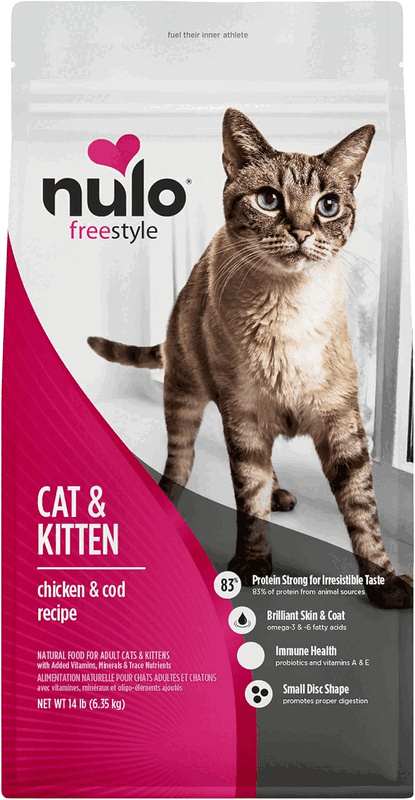
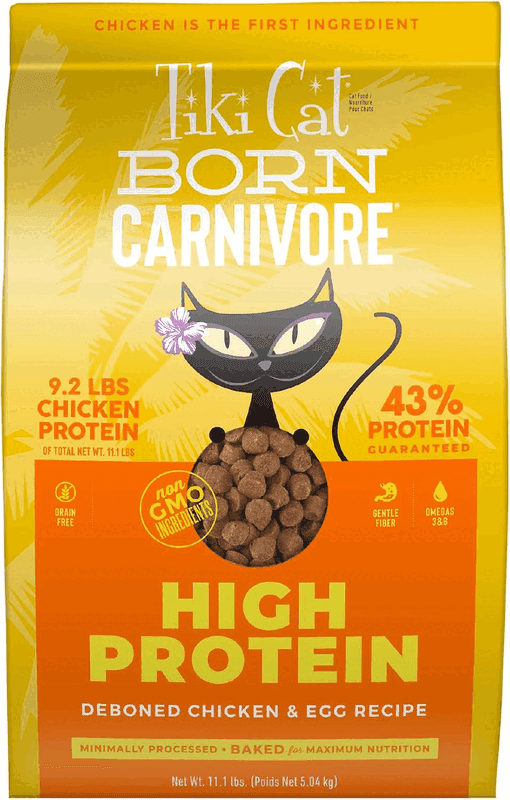
See the ranking of foods for neutered cats to compare the options that meet these criteria. To put the protein, fat and magnesium of two products side by side, use the cat food comparison tool.
Picked by score from our overall cat ranking, not by the topic of this article. To get it right for your pet — age, weight, spayed or neutered — take the quiz and get a list made for them. A pet with a diagnosed condition needs a diet prescribed by a veterinarian.