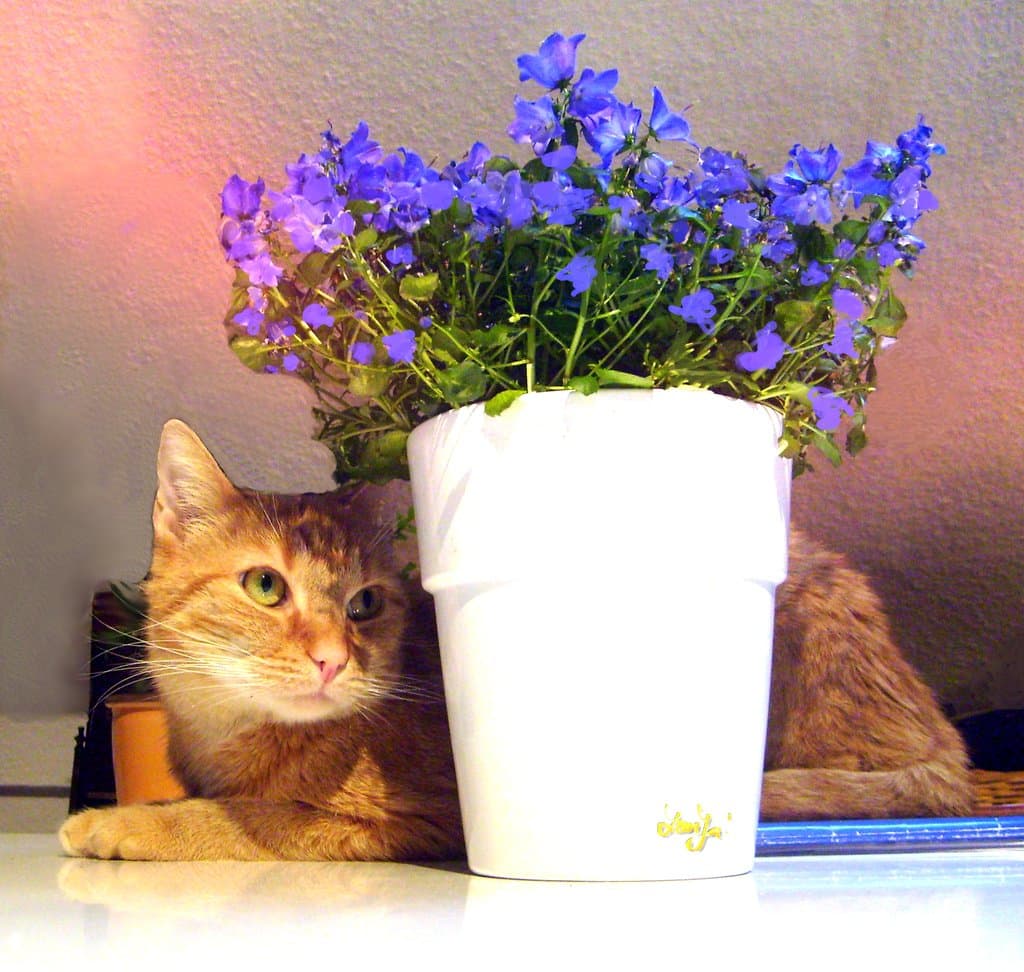
Churchill's Orange Cat and the Genetics of Orange Fur

Visitors to Chartwell, Winston Churchill's country house in England, often bump into an orange cat strolling through the garden as if he owned the place. This is no ordinary cat that just turned up there.
Why is there always an orange cat at Chartwell?
Churchill received, as a gift on his 88th birthday, an orange cat named Jock — given by his former private secretary, Sir John "Jock" Colville. He liked the animal so much that he expressed the wish that there always be a cat like that there when the house opened to visitors.
It is not a clause in a will and not a legal obligation: it is a wish, honored since the property began receiving the public, in 1966. And the description is specific — it isn't enough to be a cat, it has to be orange, with a white bib and four white paws.
The one living there today is the seventh to hold the post, and like the six before him he is named Jock. He arrived in 2020, at six months old, and used to be called Sunshine: he was a rescue cat.
What is the hidden genetics behind that request?
Asking for an orange cat is almost asking for a male cat.
The orange color is controlled by a gene that sits on the X chromosome — the genetic basis of orange fur was detailed in research published in 2025. Since a male has only one X, one copy of the gene is enough for him to be born orange. A female has two X chromosomes and must inherit the gene twice, from the father and from the mother.
| Male (XY) | Female (XX) | |
|---|---|---|
| Copies needed to be orange | 1 | 2 |
| Result with only one copy | orange | tricolor or tortoiseshell |
| Share among orange cats | about 3 in 4 | about 1 in 4 |
That is why about three out of four orange cats are male — and why almost every tricolor cat is female. Without knowing it, Churchill's wish steered the Chartwell post toward males.
What NOT to do
- Don't choose a cat by color expecting a temperament. There is no evidence that coat color determines personality.
- Don't assume an orange cat is male. One in four is female, and the guess is wrong often.
- Don't copy the "legendary diet" of famous cats. Stories of longevity with an eccentric diet circulate with no proof and tend to include toxic items.
Frequently asked questions
Did Churchill leave a cat in his will?
No. What exists is a wish he expressed, honored by the National Trust since the house opened to visitors in 1966. It is not a clause in a will.
Why are almost all orange cats male?
Because the orange fur gene is on the X chromosome. A male needs one copy; a female needs two. About 75% to 80% of orange cats are male.
Is every tricolor cat female?
Almost always. The combination that produces the tricolor pattern requires two X chromosomes, which in practice limits the pattern to females, with rare exceptions tied to chromosomal alterations.
Orange, tricolor or black cat: what really changes at mealtime is age and size. Find the ideal food for your cat.
Picked by score from our overall cat ranking, not by the topic of this article. To get it right for your pet — age, weight, spayed or neutered — take the quiz and get a list made for them. A pet with a diagnosed condition needs a diet prescribed by a veterinarian.