Flehmen Response in Cats: Why Your Cat Makes That Face
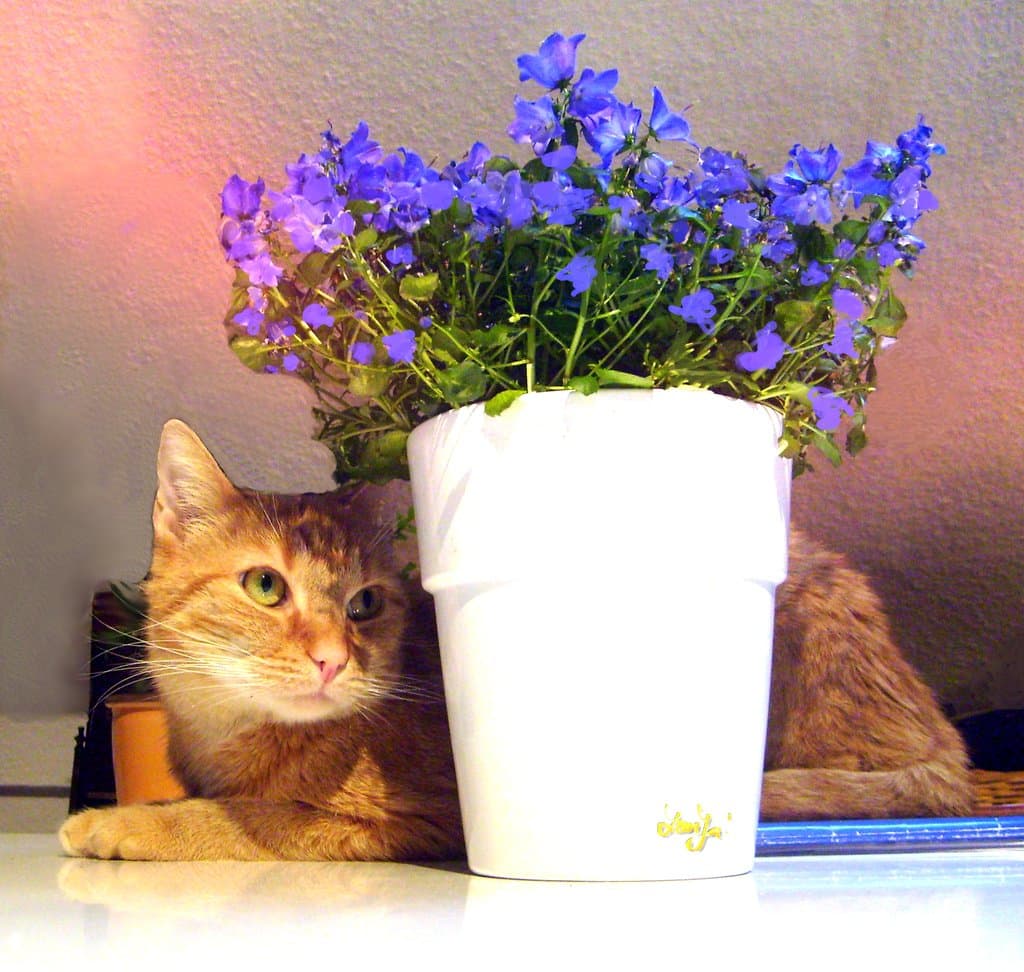
Your cat stops in the middle of the room, parts his mouth, curls his upper lip and stares blankly into space. He stays like that for a few seconds, looking funny, a little silly, and then goes back to normal as if nothing had happened. The first reaction of anyone watching is to assume he smelled something bad.
It is not disgust. It is the cat smelling with the roof of his mouth.
The behavior's name is the flehmen response
The face has a precise description: upper lip curled, mouth slightly open, head raised, teeth showing and, sometimes, tongue out. It lasts between 5 and 45 seconds. After that, the cat closes his mouth and carries on with no sign of discomfort.
The organ is hidden in the roof of the mouth
The reason for the grimace is an organ most owners have never heard of: the vomeronasal organ, also called Jacobson's organ. It sits in the roof of the mouth, behind the front teeth, inside a bony canal at the base of the nasal cavity. According to VCA Animal Hospitals, the opening of this organ is right behind the upper incisors, and its function is to analyze more deeply what the nose has already picked up — a sensation described as smelling and tasting at the same time.
The tongue delivers the scent, not the nose
It is the tongue that pushes the molecules to the vomeronasal organ. It is not the nose sniffing deeply — it is an entire second route of smell, separate from the one the nose uses day to day. That is why the mouth stays open and the tongue sometimes shows: the cat is directing the air upward, to the opening of the organ.
What he is reading are other cats' pheromones
The vomeronasal organ processes pheromones — chemical signals found in other cats' urine, in glands spread across the body, and also the ones the cat himself leaves when rubbing his face on furniture, rugs and people. Facial pheromone alone contains up to 40 different substances.
In what situations does the cat make this face?
The flehmen response shows up in specific moments, not at any time: when the cat sniffs another cat or another cat's urine, right after leaving the litter box, in front of a new piece of furniture, rug or object in the home, or when smelling clothing that has touched another animal.
| Situation where the owner sees flehmen | What the cat is reading there |
|---|---|
| Sniffs another cat or its urine | Pheromones left by that cat |
| Right after leaving the litter box | His own scent or another cat's scent in the litter |
| In front of a new piece of furniture, rug or object in the home | Facial pheromone left by another cat (or by himself) |
| When smelling clothing that has touched another animal | Pheromones transferred by contact |
It starts in kittens and is common to other species
The behavior is not exclusive to adult cats. The kitten starts making the flehmen response at around 5 weeks of age, and the pattern is complete near 7 weeks. Horses do it too — in a much more visible way, with the lip raised and the nostrils wrinkled. Dogs practically do not do the typical flehmen, because their lip is attached and too rigid; instead, they chatter their teeth and open their mouth.
What this face does NOT mean
Flehmen is not a sign of disgust, pain or illness. It is normal, voluntary behavior, and it goes away on its own in under a minute. The warning sign is different: a persistently open mouth (not just for a few seconds), drooling, or refusing food. That is not flehmen — it is a reason to see the veterinarian.
Frequently asked questions
Why does my cat stand with his mouth open, staring at nothing?
He is using the vomeronasal organ to process a pheromone he just picked up — from another cat, from the litter box or from a new object. The face lasts between 5 and 45 seconds and goes away on its own.
Does the flehmen response hurt the cat?
No. It is a voluntary, painless behavior tied to the sense of smell. What is worrying is different: a mouth that stays open, constant drooling or the cat refusing food — in that case it is time to take him to the veterinarian, because it is no longer flehmen.
Do kittens make this face too?
Yes, the behavior starts at around 5 weeks of age and is complete near 7 weeks, when the vomeronasal organ is already functional.
Do dogs make the same face as cats?
Practically not. The dog's lip is attached and rigid, which prevents the same movement as the cat's. Instead of the typical flehmen, the dog chatters its teeth and opens its mouth. The horse, by contrast, does a much more visible version of the same response.
What is the cat smelling when he makes this face?
Pheromones left by other cats — in urine, in the body's glands and in the ones the cat himself spreads when rubbing his face on objects and people. Facial pheromone alone already contains up to 40 different substances.
Want to understand your cat's behavior better? Take our quiz and get personalized guidance.
Picked by score from our overall cat ranking, not by the topic of this article. To get it right for your pet — age, weight, spayed or neutered — take the quiz and get a list made for them. A pet with a diagnosed condition needs a diet prescribed by a veterinarian.



