Dog Body Language: 9 Common Postures and What They Mean
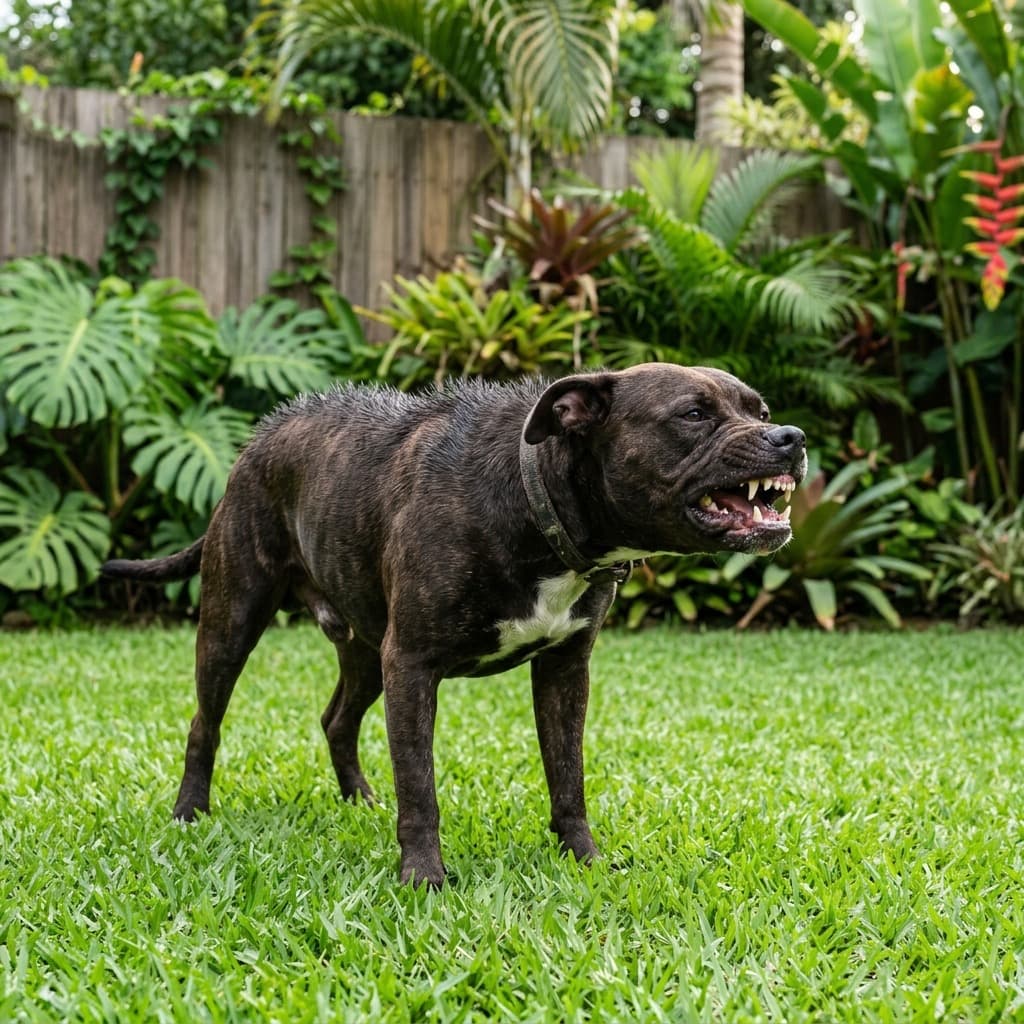
Your dog talks to you all day long — just rarely with his voice. It is the body that speaks: the height of the tail, the tilt of the head, the way he lies down. Whoever learns to read these postures stops guessing the dog's mood and starts to truly understand what he feels.
The good news is that most signals are easy to recognize once you know what to look for. Here are nine common postures, from the most affectionate to the ones that call for care, and what each one means.
The invitations: when the dog wants you close
Some signals are pure requests for company — here are the three most common:
| Posture | What it means |
|---|---|
| Play bow (chest on the floor, rear in the air, tail wagging) | Direct invitation to play. There is no ambiguity. |
| Head tilt | It is not just charm: the dog is paying full attention, trying to understand the sound and what you said. |
| Bringing a toy to you | Combines invitation and request in the same action: he wants your attention and proposes an activity. |
Signs of trust and calm
Other postures show that the dog feels safe:
| Posture | What it means |
|---|---|
| Showing the belly (soft, relaxed body) | Sign of comfort and trust — he would not do this around someone who frightens him. Caveat: it is not always an invitation to pet; it is the relaxed body that confirms the comfort. |
| Soft gaze, with slow blinks | A calm way of saying everything is fine. |
| Tail wag pulled more to the right side | Linked to positive emotions — joy and the wish to approach. A study published in Current Biology (Quaranta, Siniscalchi & Vallortigara, 2007) confirmed the pattern. Notice the side, not just the speed. |
Which postures call for space before the situation escalates?
Not every signal is an invitation, and this is where owners go wrong most:
| Posture | What it means |
|---|---|
| Yawning at odd times / licking the muzzle with no food around | Calming signal — the dog asking to lower the tension of the moment. Ignoring this means missing the first warning. |
| Curled-up body, with ears back and head low | Fear or insecurity, not whining for attention — the right response is to give space, never to force. |
| Growl | An honest warning, however much it scares you — punishing it teaches the dog to jump straight to the bite, without warning first. |
What NOT to do
- Do not punish the growl or the request for space. You remove the warning, not the reason — and the next step can be a bite with no signal.
- Do not read a belly shown as an automatic invitation to pet. Check the rest of the body to see whether the dog is relaxed.
- Do not force closeness on a curled-up dog. Ignored fear becomes chronic stress and can escalate into defensive aggression.
Frequently asked questions
What does it mean when a dog lowers his chest and raises his rear?
It is the play bow, the clearest invitation there is: he is asking you to play. The low posture signals non-aggressive intent while inviting the partner to chase — which is why it works as a "reset" that reaffirms that what comes next is a game, not an attack.
Why does my dog tilt his head when I talk?
It is attention. He is trying to understand the sound and your speech — it is not just a cute reaction, it is active interest.
Is a dog that growls aggressive?
Not necessarily. The growl is a warning that something bothers him. Punishing it is dangerous, because it removes the signal that comes before the bite.
Is showing the belly always an invitation for petting?
Not always. It can be trust and relaxation, but also a request for space. Read the rest of the body before touching.
Reading your dog's body is, at heart, listening to what he feels without waiting for him to bark. The more you observe these postures, the finer the communication between you gets — and the more he trusts you. Start today, paying attention to the first one that shows up.
Picked by score from our overall dog ranking, not by the topic of this article. To get it right for your pet — age, weight, spayed or neutered — take the quiz and get a list made for them. A pet with a diagnosed condition needs a diet prescribed by a veterinarian.



