Where to Pet a Cat: The Green, Yellow and Red Zone Map
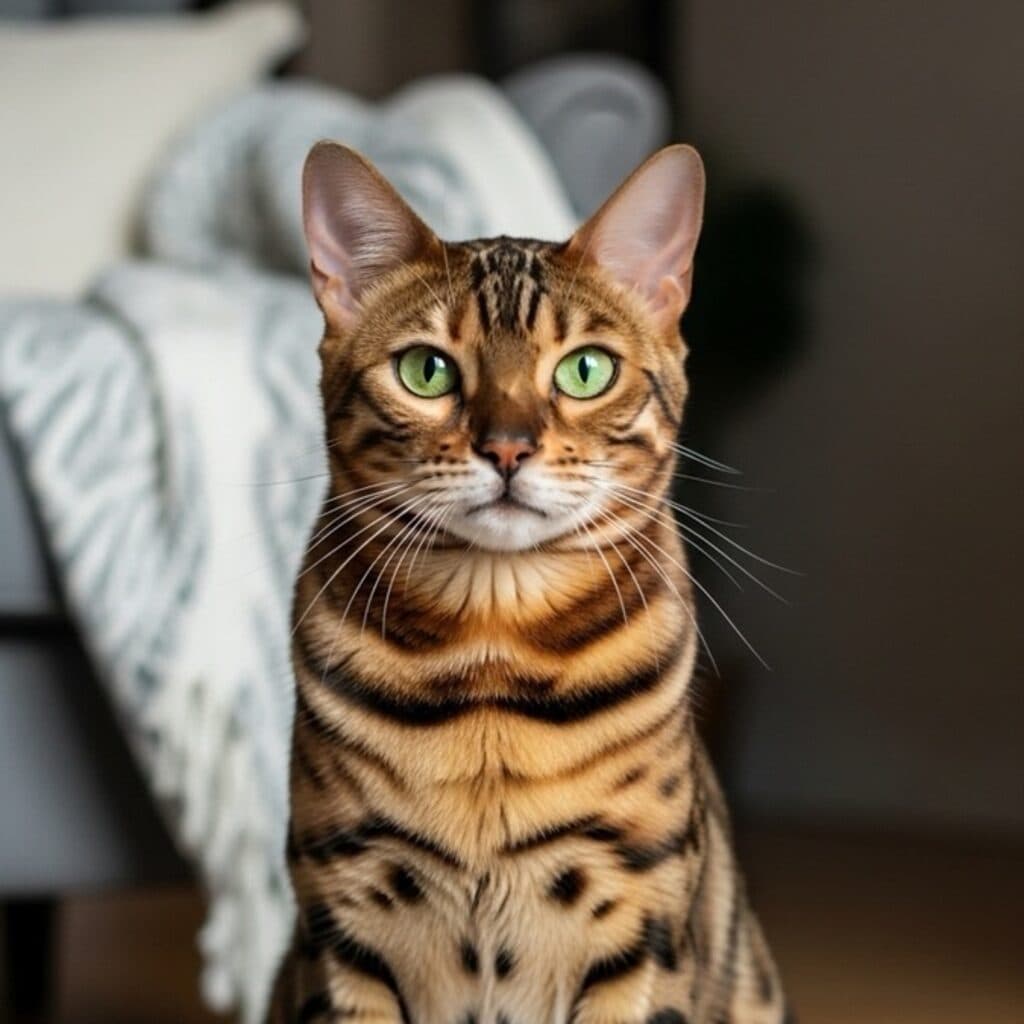
The cat rolls on the floor, shows its belly and the owner reads it as an invitation. The hand moves in, the petting begins — and the bite comes. This script repeats itself in millions of homes because it starts from a myth: an exposed belly is not a request for a belly rub, it is a sign of trust. The cat leaves the most vulnerable part of its body on display because it feels safe, not because it wants anyone touching it there. Understanding that difference changes how you pet — and prevents scratches.
There is a simple way to organize this: think of the cat's body as a map with three zones, each with a different level of risk. It works like a traffic light.
| Zone | Areas | Expected reaction |
|---|---|---|
| Green | Cheeks, chin, base of the ears | Petting always welcome |
| Yellow | Back, base of the tail | Depends on the moment — stop if the tail lashes |
| Red | Belly, paws, tail | High risk of a bite or scratch |
1. Green zone: where petting is always welcome
The cheeks, chin and base of the ears concentrate pheromone glands that the cat itself uses to mark territory and bonds. Touching these areas reproduces the gesture it already makes when rubbing its face on furniture and people. It is the safest region to start any interaction — including with shy or unfamiliar cats. A light scratch under the chin usually brings almost instant purring.
Why is the back a yellow zone?
The back and the base of the tail sit in an intermediate zone. Many cats love petting there, especially near the tail — but tolerance varies from individual to individual and from moment to moment. The same cat may accept it today and refuse it tomorrow. The warning sign is a tail that starts lashing or a body that stiffens: time to stop. Cornell Feline Health Center describes this pattern as "petting-induced aggression" — a thumping tail and ears pulled back usually appear before the defensive reaction. The practical rule is to go slowly, watch the reaction to each stroke and never insist if the cat pulls away.
Belly, paws and tail: the red zone
Here lies the central myth. The belly is the most unprotected area of the body — vital organs right beneath the skin. Leaving it exposed is a sign of relaxation, not an offer. Touching it usually triggers the same defensive reflex any animal would use to protect its most fragile region: claws and teeth come into action fast. The paws also bother most cats, because they concentrate sensitive nerve endings. And the tail, besides being an extension of the spine, works as an organ of balance and communication — pulling or squeezing it hurts and frightens.
A cat's belly is a red zone, not an invitation to petting.
What NOT to do
- Insist after the first sign of discomfort — ears back, tail thumping, tense body. The cat has already warned you.
- Confuse playfully slapping the belly with petting — even tolerant cats react differently when caught by surprise.
- Hold the tail or the paws to "calm" the cat — the effect is usually the opposite, and the bite comes fast.
Frequently asked questions
Why does my cat show its belly but bite when I touch it?
Because showing the belly is a comfort posture, not permission. The cat relaxes around someone it trusts, but the belly remains the most vulnerable area of the body — and touching it usually triggers instinctive defense.
Are there cats that like belly rubs?
Some accept them, usually those that already have a strong bond with the owner and show clear signs of continuous relaxation. Even so, it is the exception — always test with brief touches and stop at the first sign of tension.
What is the best way to pet an unfamiliar cat?
Start with the green zone: let the cat sniff your still hand and, if it approaches, pet the chin or the base of the ear. Avoid any direct contact with the belly or paws until you know its reactions.
What does a thumping tail during petting mean?
It is one of the first signs that the cat is bothered, even if it has not moved away yet. It is worth lightening the touch or stopping for a moment.
Showing the belly remains one of the most misread gestures in the relationship between owners and cats — but the zone map clears up that confusion in seconds: the face is open, the back asks for attention, the belly asks for distance.
Picked by score from our overall cat ranking, not by the topic of this article. To get it right for your pet — age, weight, spayed or neutered — take the quiz and get a list made for them. A pet with a diagnosed condition needs a diet prescribed by a veterinarian.



