7 Big Mistakes Almost Every Dog Owner Makes (and Fixes)
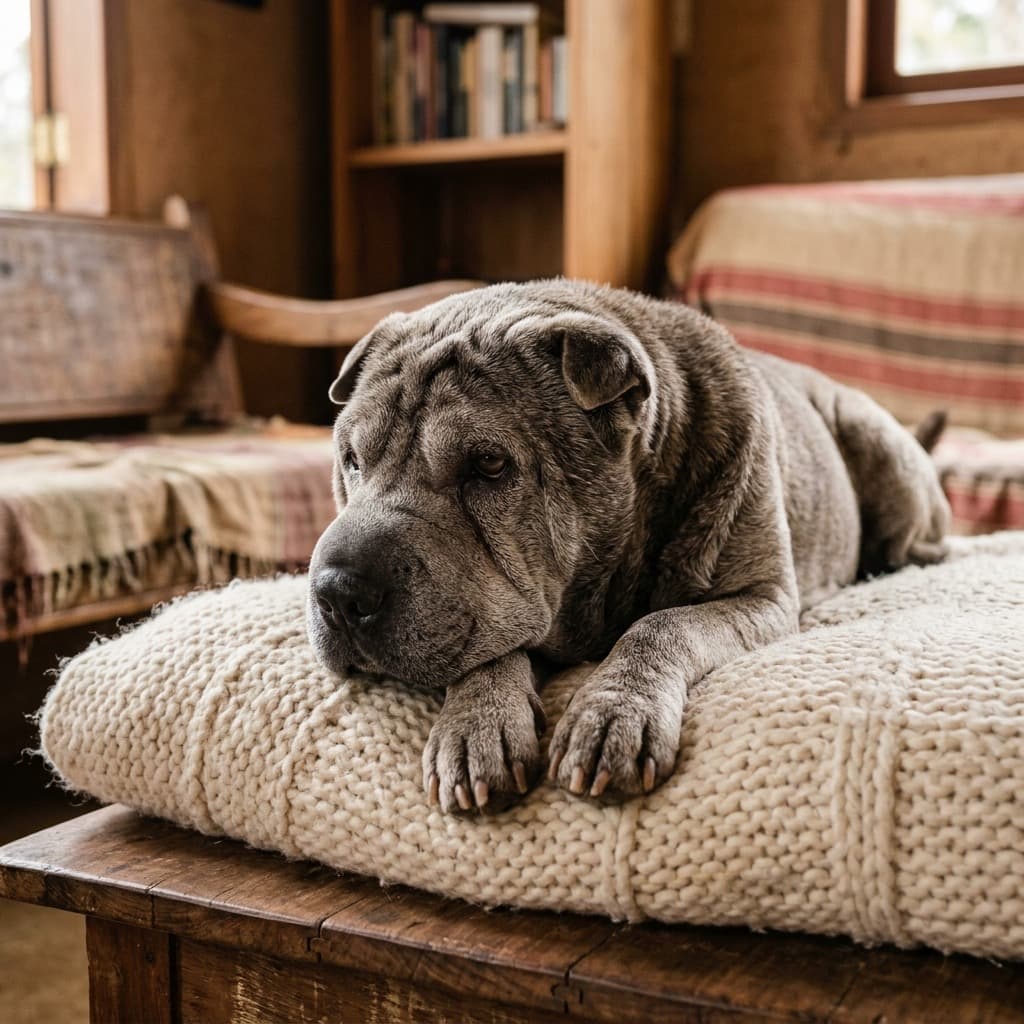
You come home, the dog jumps up, you pet him to make him stop — and the next day he jumps again, more excited. It is not stubbornness: without realizing it, you taught him that jumping works. Most problems living with dogs come not from malice or lack of love. They come from automatic habits we repeat every day without seeing the effect.
There is a huge list — more than a hundred common mistakes with dogs — circulating out there. It is useful, but too big to use day to day. We condensed it into the 7 that get in the way of life at home the most. We go from mistake 1 to 7, and the last one is the one that is missed most.
What are the most common mistakes dog owners make?
The most common mistakes revolve around timing and consistency, not lack of love for the dog. Owners often unintentionally reinforce the behavior they want to eliminate — giving attention to jumping, barking or insistence — and correct too late, when the dog no longer connects the scolding to what he did. The list below gathers the 7 that weigh most day to day.
The 7 mistakes, from 1 to 7
- Mistake 1 — Too little exercise routine
- A dog is energy. When that energy does not go out on the walk and in play, it is left over and becomes a problem inside the house: chewed furniture, barking for no apparent reason, agitation at the wrong time. A dog tired the right way is a calm dog.
- Mistake 2 — Giving attention when he jumps or barks asking for attention
- Here lies the subtlest trap. When the dog jumps or barks for attention and you look, talk or push him away, he gets exactly what he wanted: attention. You think you are calming him — you are reinforcing. According to the American Kennel Club, even a scolding reaction is more rewarding to the dog than being ignored, so the correct strategy is to ignore the behavior consistently and reserve attention for the moment he is calm.
- Mistake 3 — Ignoring stress signals
- Yawning, repeatedly licking the muzzle, looking away, lowered ears, tense body. These are warnings: the dog telling you he is uncomfortable. If you insist and ignore these signals, he may go from warning to growling, or even biting. Those who learn to read these signals avoid scares and solve the discomfort before it escalates.
- Mistake 4 — Too many treats and human food
- Giving from the plate seems like affection, but it is the shortest path to two problems: obesity (which shortens the dog's life) and the begging dog, the one that whines and insists at every meal. Treats have their place — as a training reward, in small portions — not as a table routine.
- Mistake 5 — Walks always short and in the same place
- For the dog, the walk is not just doing his business: it is smelling the world. Scent is his main way of exploring and tiring himself mentally. A walk that is always the same, always around the same block, with no time to sniff, leaves the dog physically present and mentally unsatisfied.
- Mistake 6 — Scolding after the fact
- You come home, find the damage and yell. The problem: the dog does not connect your scolding to what he did hours ago. He only learns that sometimes you arrive home angry — and begins to fear your arrival. Correction only works at the moment of the behavior, never after.
- Mistake 7 — Repeating the command several times
- "Sit, sit, SIT." It seems harmless, but it is the mistake that gets in the way of training the most. Repeating teaches the dog that the first times you speak do not count — that he only needs to respond on the third or fourth. The right way is to ask once, wait, and help the dog get it right. One command, one response.
Source for Mistake 2: American Kennel Club — Attention-Seeking Behaviors in Dogs.
What these 7 mistakes have in common
None of them is about a "difficult" dog. All are about human timing and consistency: rewarding at the right moment, correcting at the right time, reading the dog before reacting. The good news is that you do not need to change everything at once — fixing one mistake a week already transforms the household routine. Exercise routine and behavior go together with feeding: it is worth checking the dog food ranking to make sure the nutritional base is also suited to your dog's energy.
What NOT to do
- Think affection solves everything. Affection is the foundation, but it does not replace routine, clear limits and exercise.
- Scold over past damage. If you did not catch him in the act, let it go and adjust the environment so it does not happen again.
- Repeat a command expecting that "eventually he gets it." He does get it — that he can ignore the first times.
Frequently asked questions
What is the most common mistake in dog training?
Repeating the command several times. It is so automatic that almost nobody notices, but it teaches the dog to ignore the first times and only obey the last — undermining all the training.
Can I scold my dog when I come home and see the mess?
It does not help. The dog does not associate the scolding with what he did hours before; he only learns to fear your arrival. Correction only works at the exact moment of the behavior.
Why does my dog jump on everyone even when I tell him to stop?
Probably because jumping is being rewarded with attention — looking, talking or pushing already counts as attention. Ignore the jumping and reward all four paws on the floor.
Is a short walk enough for a dog?
Rarely. Besides the physical expenditure, the dog needs to sniff and vary the environment to tire himself mentally. Walks that are always the same and rushed leave the dog unsatisfied.
In the end, training a dog is less about correcting the dog and more about correcting your own automatic habits. Pick one of these 7 mistakes to tackle this week — number 1 is a great start — and watch how living together changes.
Picked by score from our overall dog ranking, not by the topic of this article. To get it right for your pet — age, weight, spayed or neutered — take the quiz and get a list made for them. A pet with a diagnosed condition needs a diet prescribed by a veterinarian.



