Senior Dog Underweight Despite Eating: The Food Mistake

A senior dog that eats everything and still loses weight is almost always getting low-digestibility protein, not too little protein in quantity. AAFCO (Association of American Feed Control Officials) has no regulatory category of its own for "senior" food — any product sold as such still only needs to meet the adult maintenance minimum of 18% protein on a dry matter basis (AAFCO Dog and Cat Food Nutrient Profiles). That means a food "for senior dogs" can legally contain far less protein than current veterinary nutrition recommends to slow muscle loss after age 7 — and cutting protein to "protect the kidneys" is a premise that veterinary medicine considers outdated for dogs without a diagnosed kidney disease.
The second problem is the source: protein from organ meal has lower digestibility than protein from named fresh meat (chicken, lamb). A senior dog eating a food rich in organ meal absorbs proportionally less functional protein than the label suggests — which helps explain why it keeps losing muscle mass even while eating the recommended portion. This article shows what to change on the label and when the problem is medical, not dietary. If your question is broader — when to switch a senior dog's food, rather than weight loss specifically — see senior dog: when to switch to senior food.
Why regular food does not sustain muscle after age 7
A senior dog's metabolism changes in three critical ways:
- Reduced protein absorption: the intestine processes fewer amino acids per kilo of food eaten. What used to be enough now falls below what is needed.
- Accelerated muscle catabolism: the body breaks down muscle for energy — even when food is available. This process intensifies after age 8.
- Body fat increases even as total weight falls: the dog loses lean mass and gains fat at the same time, and the owner sees the number on the scale drop. It looks like thinness — but it is masked muscle loss.
Regular adult food usually sits close to the regulatory minimum for protein. For a senior, that is not enough: veterinary nutritionists recommend dry matter protein above the AAFCO minimum to curb lean mass loss in senior dogs, even though no official "senior" category exists in the regulations (AAFCO Dog and Cat Food Nutrient Profiles). Most "senior" foods on the market ignore this recommendation and reduce protein to avoid kidney overload — a premise that current veterinary medicine considers outdated for dogs without a diagnosed kidney disease.
The criterion the label must show (and most don't)
Reading the "crude protein" percentage on the label is not enough. What matters is the digestibility of that protein.
Protein from organ meal has lower digestibility than protein from named fresh meat (e.g., "chicken", "lamb"). A senior dog eating food whose protein comes mostly from meal absorbs proportionally less functional protein than the same percentage coming from fresh meat. That difference in digestibility is what separates muscle maintenance from progressive loss, even when the number on the label looks adequate.
What to look for on the label:
- The first ingredient should be a named meat (not a generic one like "poultry meat").
- Avoid "by-product meal" in the first three positions.
- Crude protein above the AAFCO adult maintenance minimum (calculate on a dry matter basis, discounting moisture).
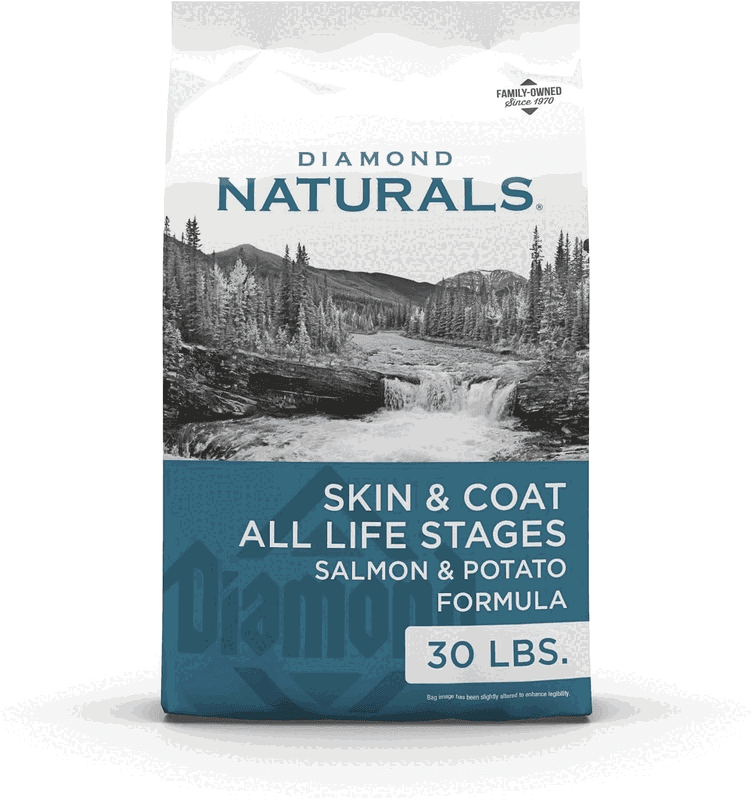
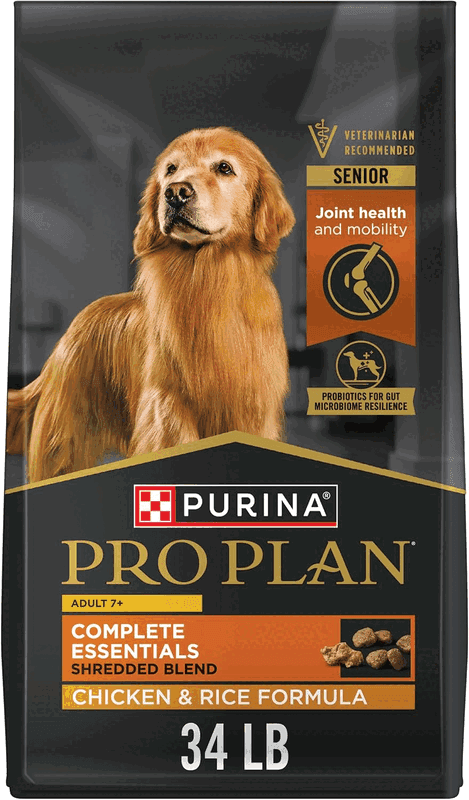
If your dog's food lists "organ meal" as the first ingredient and has low total protein, it will not hold the muscle — even if the dog eats double the portion. The dog food comparison tool puts the first ingredient and the protein percentage of two products side by side, without having to open each label.
When does weight loss in a senior dog indicate disease, not a food problem?
Three medical conditions cause weight loss in a senior dog even with a normal appetite and adequate food: diabetes mellitus, hyperthyroidism and exocrine pancreatic insufficiency. In all three, the body does not use the energy from food — which is why the scale drops even with the bowl always empty. A complete blood panel identifies which one is under way.
| Condition | What happens | Signs |
|---|---|---|
| Diabetes mellitus | Glucose does not enter the cells — the dog "starves" even though it is fed | Excessive urination, intense thirst, sweet-smelling breath |
| Hyperthyroidism | Overactive thyroid, metabolism skyrockets | Loses weight while eating well, agitation, racing heart |
| Exocrine pancreatic insufficiency | The pancreas does not produce digestive enzymes, food is not absorbed | Bulky, pale, greasy stools |
If the dog has been losing weight for more than 3 weeks and you have already corrected the food, schedule a complete blood count + metabolic panel. These three conditions show up on a basic blood test.
What NOT to do
- Do not increase only the amount of food without changing the quality of the protein. More organ meal does not become more muscle — it becomes more stool and digestive overload.
- Do not switch to "light" or "weight control" food. A senior dog losing lean mass needs the opposite: high protein density. "Light" reduces calories by cutting fat AND protein — exactly what it cannot afford to lose.
- Do not wait to "see how it evolves" for more than 4 weeks. Muscle loss in a senior is fast. After 2 months without intervention, recovery becomes much harder.
Frequently asked questions
Can I give puppy food to a senior dog that has lost weight?
Yes — temporarily. Puppy food has higher protein and greater caloric density, which helps recover lean mass during a transition period. After that, move to a high-protein adult food with good digestibility. Do not keep puppy food as a permanent diet: excess calcium overloads aging kidneys.
Can a senior dog with kidney failure eat high-protein food?
It depends on the stage of the disease, which only a veterinarian can classify with blood and urine tests. In early stages, highly digestible protein (fresh meat) generally does not overload the kidneys. In more advanced stages, the dog needs a prescribed therapeutic diet, with controlled but very high-quality protein. Never reduce protein preventively "just in case" without a diagnosis — it causes muscle loss with no proven kidney benefit.
How long does it take for a dog to recover muscle mass on the right food?
It takes a few weeks on a food with highly digestible protein before you begin to notice a difference. You will notice: ribs less prominent, a denser coat, more willingness to walk. Weekly weigh-ins help track progress — steady, gradual weight gain is the sign that the change is working.
Do protein supplements (whey, BCAA) work for senior dogs?
They work as a complement, not a substitute. Isolated protein has high digestibility, but it does not provide the essential fats or micronutrients that a complete food offers. Use it as occasional reinforcement, in an amount guided by the veterinarian, alongside quality food. Never replace the main meal with a supplement.
Doesn't the "senior" food on the market work?
Most don't solve it on their own. Conventional "senior" foods tend to reduce protein and increase fiber to "make digestion easier". That goes in the wrong direction: a senior dog needs more protein of better quality, not more fiber. Exception: premium lines made specifically for seniors that keep protein above the adult maintenance minimum with fresh meat at the top of the label.
The dog that eats everything and stays thin is not eating too little — it is eating protein its body does not use. A full bowl at the end of the day does not mean adequate nutrition. It means the food is not delivering what the muscle needs to hold on. The fix starts at the label: first ingredient, protein percentage, digestibility. The rest follows.
Relevant to the topic of this article. You can narrow it down further by your pet's profile in the quiz.