Why Dogs Sleep on Their Backs: What the Pose Really Means
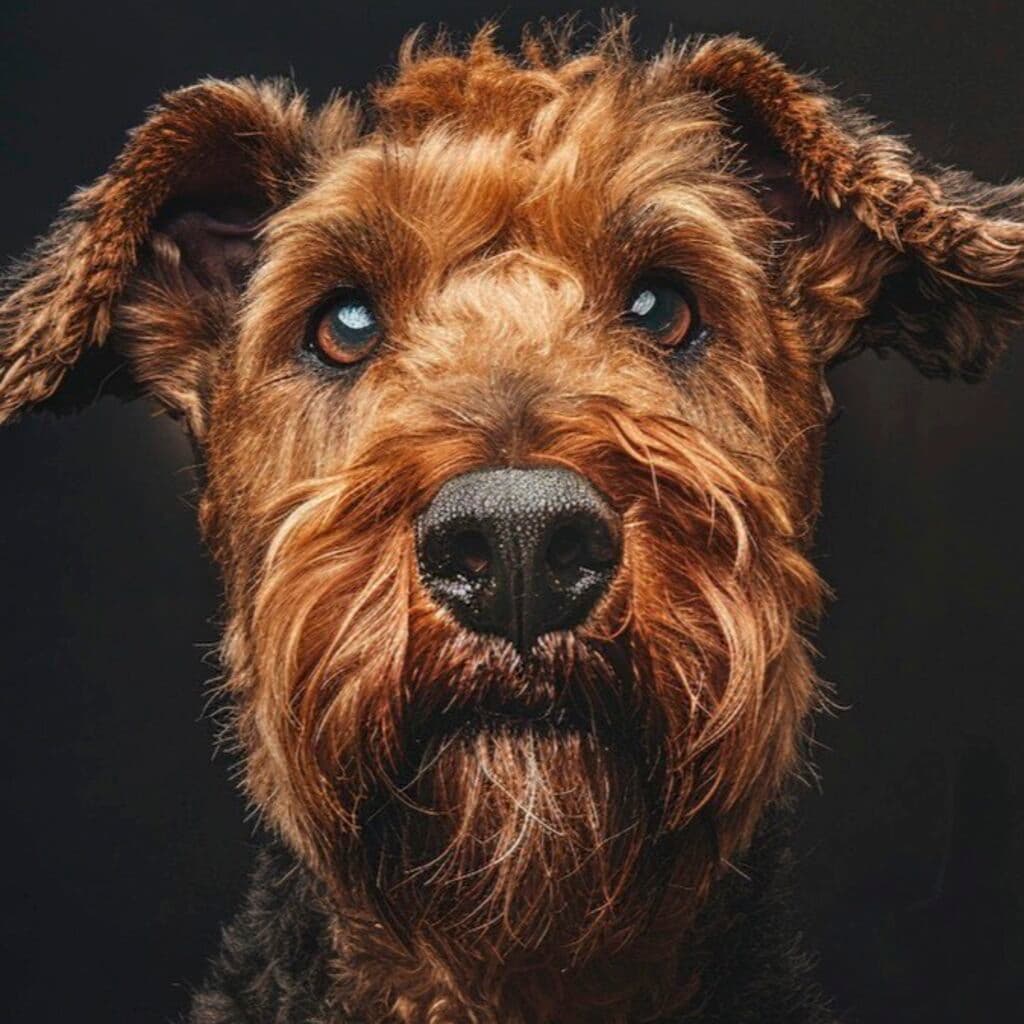
Your dog sleeps sprawled in the middle of the rug, belly up, paws dangling — and the first idea that crosses your mind is that he is asking for affection. It makes sense to think so, but that posture is almost an X-ray of what his body is doing: at the same time, he is regulating his own temperature and showing how much he trusts the space he is in.
The belly works as a natural radiator
The skin of the belly has far less fur than the rest of the body and sits closer to the surface. When the dog rolls onto his back, that thin area is exposed to the air, and heat escapes from there faster than through the loin or the back, covered in dense coat. It is a simple heat exchange mechanism — like opening your coat on a hot day, except he does it by turning his body.
On hot days or after running in the yard, it is common to see this pose appear right when it is time to cool off. A cold tile or the living room floor helps even more, because the belly is in direct contact with a surface cooler than the body itself.
Why is exposing the belly a sign of total trust?
The belly is the most unprotected part of a dog's body — no rib cage covering it, no thick musculature, no thick coat. An animal only stays in this position, relaxed and with eyes closed, when the surrounding environment gives total security. According to the American Kennel Club guide on canine sleep, dogs in a kennel, on the street or in a new place rarely sleep this way: the pose requires a level of calm that only appears on familiar ground, near someone he trusts.
That is why belly up is maximum security, not an invitation to scratch — even if the scene looks exactly like that at first glance.
2 signs it is not the time for belly rubs
- Limp body, slow breathing — if his paws are dangling, his breathing is slow and his eyes are closed, he is sleeping, not asking for attention. Touching him now only interrupts his sleep.
- No reaction to your movement — if you approach and he doesn't open an eye or move his tail, it is deep sleep. Wait for him to wake up on his own before petting.
When he truly wants affection, another sign usually comes with it: a wagging tail, eyes fixed on you, or the belly offered with a tense, alert body — quite different from the loose pose of sleep.
What changes on hotter or colder days
On hot days, this posture tends to appear more often and last longer, because the dog is using the belly to lose heat. On cold days, many dogs prefer to curl up and protect precisely that area — the opposite of an exposed belly. Noticing which pose predominates throughout the year is a simple way to see how your dog reacts to the temperature of the house.
What NOT to do
- Don't interrupt his sleep thinking he is uncomfortable — the belly-up pose is precisely a sign of comfort, not distress.
- Don't confuse it with abdominal pain. Pain comes with rigidity, whining or refusing to be touched; relaxed sleep has none of these signs.
- Don't force the belly rub while he sleeps — he may wake up startled and associate the pose with an abrupt interruption, instead of with the security it represents.
Frequently asked questions
Is a dog sleeping belly up a sign of health?
Yes, it is one of the signs of behavioral well-being: the muscles only relax completely in this pose when the dog is not in a state of alert, so it is an indication that he feels safe in the environment.
Should I wake him if he sleeps like this on a hot day?
No need — the pose itself is his mechanism for losing heat, since the belly has less fur and is more exposed to the air than the rest of the body.
Does every dog take this pose when it trusts its environment?
In most cases yes, but the frequency varies from dog to dog — what is known with more certainty is that dogs in unfamiliar environments rarely sleep this way.
How do I tell sleep from abdominal pain?
Pain usually comes with a rigid body, whining, panting or refusing to be touched; belly-up sleep is loose, without these signs. If in doubt, see a veterinarian.
| Sign | Relaxed sleep | Abdominal pain |
|---|---|---|
| Body | Limp, paws dangling | Rigid, tense |
| Breathing | Slow and regular | Panting |
| Reaction to touch | None or wakes up slowly | Whining or refuses to be touched |
That scene of the dog sprawled belly to the sky in the middle of the room is still one of the cutest of the routine — only now it is also a reading: at the same time, your dog is cooling off and telling you, without a single word, that this is the safest place he knows.
Picked by score from our overall dog ranking, not by the topic of this article. To get it right for your pet — age, weight, spayed or neutered — take the quiz and get a list made for them. A pet with a diagnosed condition needs a diet prescribed by a veterinarian.



