Dog Stretches When He Sees You: What It Really Means
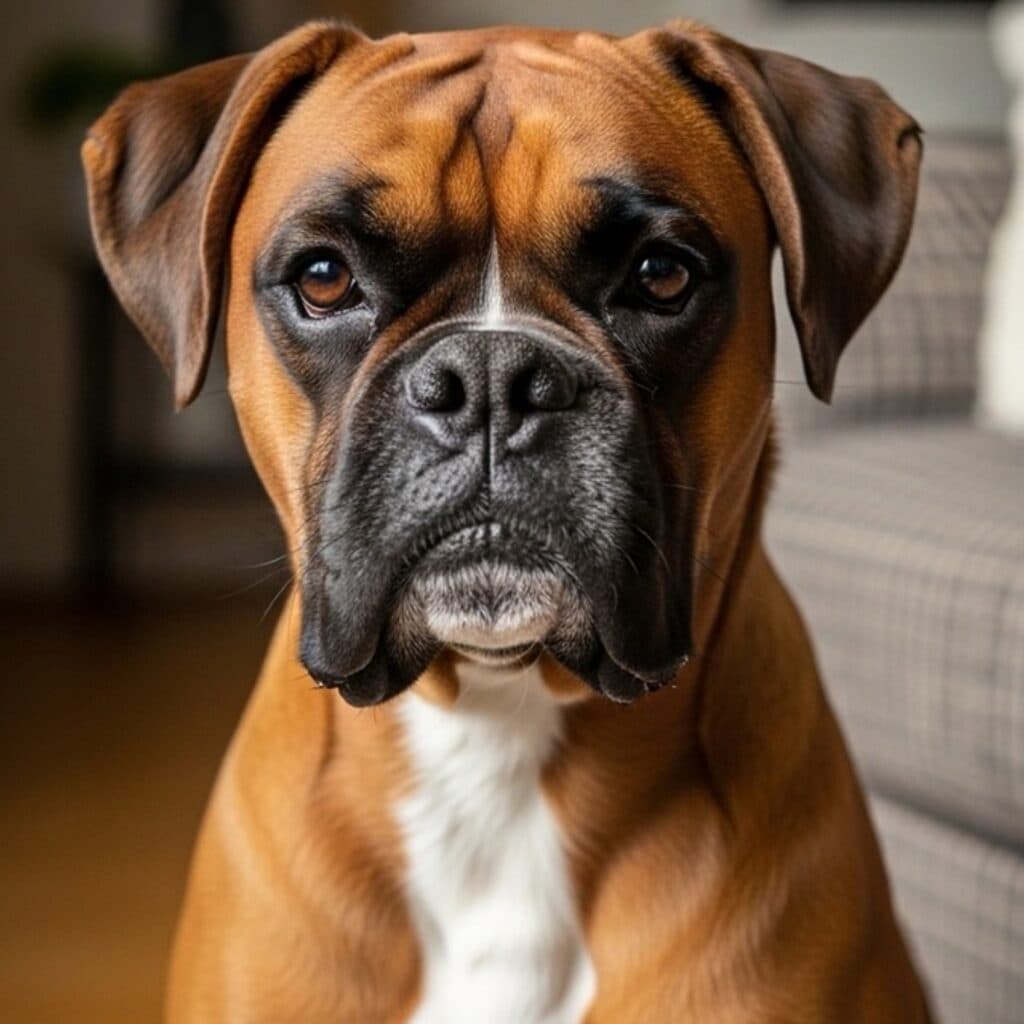
You open the door and your dog does something that seems contradictory: instead of jumping or barking, he stretches his front legs forward, lowers his chest almost to the floor, raises his rear and opens his mouth in a slow yawn. It looks like tiredness. It looks like he just woke up. But you just got home — and he was awake. Canine ethology has a name for this behavior and an explanation that completely changes how you read it: it is the greeting stretch, a postural welcome greeting, one of the clearest signs of emotional bonding a dog can express.
What is the "greeting stretch" — the canine postural greeting?
The greeting stretch is a specific postural sequence that dogs perform in the presence of bonded figures. Unlike the stretch on waking, which has the physiological function of activating circulation and lengthening muscles, the greeting stretch happens in response to a social stimulus — usually the arrival of the owner or someone the dog has a positive relationship with.
The characteristic posture is the same as the "play bow": front legs extended forward, chest low or close to the ground, rear raised. It can come with a slow yawn, a soft gaze and a relaxed, moving tail. The whole package is body communication that says: "I'm happy you're here and I'm not a threat."
Why does the dog stretch specifically when he sees you?
Canine behavior documented by ethology shows that the greeting stretch is reserved for reference figures — it doesn't happen with strangers or in neutral situations. The dog makes this gesture toward someone he recognizes as a central part of his social group.
Two elements are combined in this greeting:
- Anticipatory pleasure: the dog's body activates in the face of something positive. The stretch prepares the muscles for interaction, the same way it happens in moments of positive excitement before play.
- Signaling peaceful intent: the low, exposed posture is, in canine body language, a non-threat gesture. The dog is showing that the interaction coming next is friendly.
Together, these two components form a greeting that is at once "I'm excited" and "I'm at ease with you." This kind of reaction is part of the same bonding repertoire described in research published in Science on the oxytocin loop between dogs and owners — meeting an attachment figure triggers physiological pleasure responses that socialized wolves do not show.
Is a greeting stretch different from a play bow?
They look alike in posture but differ in context and sequence. The play bow appears before or during play — it is an active invitation, sometimes with barking, bright eyes and more agitated movement. The greeting stretch appears when the owner arrives, tends to be slower and calmer, and is followed by a gentle approach rather than a rush.
The key to telling them apart is watching what happens next: if the dog stays in an active play posture and goes to fetch a toy, it is a play bow. If he comes over calmly to sniff and be petted, it is a greeting.
Can a dog's stretch be a sign of stress?
Yes — but context changes everything. A slow yawn and stretch can appear as appeasement signals in tense situations: when the dog is uncomfortable with a forced approach, in a noisy environment or around another animal that intimidates him.
The difference between the positive greeting stretch and a stress stretch lies in:
| Greeting stretch | Stress stretch | |
|---|---|---|
| Context | Arrival of a familiar owner | Stranger or threatening situation |
| Body posture | Relaxed, tail moving, soft eyes | Rigid, tail low or still, ears pulled back |
| Sequence | Followed by approach and contact | Followed by moving away or freezing |
What to do when the dog does the greeting stretch
The ideal response is simple: welcome it. Crouch down or let the dog approach at his own pace. Avoid grabbing or hugging abruptly right afterward — the dog's gesture is a gentle greeting, and a gentle response reinforces the pattern.
Owners who respond to the greeting stretch with calm attention (soft touch, quiet voice) tend to see the behavior more often — the dog learns that this form of greeting leads to a positive interaction and starts using it as his preferred opening.
Why do some dogs not do the greeting stretch?
Not every dog uses this gesture. Individual and breed variations influence the body-communication repertoire. Dogs with a history of negative interactions, such as punishment or an unstable previous home, may have suppressed part of the affectionate greeting repertoire, adopting more excited responses such as jumping and barking instead of the subtler gesture.
The history of how the owner responded to arrivals also matters: if arrivals were always very agitated and noisy, the dog may have adopted more excited responses (jumping, barking) as the default, and the subtler greeting stretch took a back seat.
Frequently asked questions
My dog only does this with me. Does that mean I have the strongest bond?
Probably yes. The greeting stretch is directed at reference figures. Dogs that live with several people at home tend to make this gesture more often for the main owner — the one they spend the most time with and who is central in the animal's social group.
Is the greeting stretch the same as the dog asking to play?
Not exactly. The posture is similar to the play bow, but context tells them apart: the greeting stretch happens when the owner arrives and is usually followed by a calm approach. The play bow appears during an interaction already underway and comes with more active excitement signals.
My dog stretches every time I get home. Is that normal?
Yes, and it's a good sign. It means the dog has built a consistent positive association with your arrival and uses the affectionate greeting repertoire regularly. Dogs with a well-developed bond tend to keep this behavior throughout life.
What does it mean when the dog stretches and then brings a toy?
It is a complete two-step greeting: the greeting stretch expresses pleasure at your arrival, and the toy is an invitation to share. Highly sociable dogs with a strong bond sometimes combine the two gestures — it is normal behavior and usually indicates a well-adjusted, emotionally secure animal.
A dog's body talks all the time — and the greeting stretch is one of the clearest gestures in that communication. It isn't tiredness, it isn't indifference, it isn't a coincidence of timing. It is the dog saying, in his own language, that you matter. Recognizing these signals makes life together richer for both sides — and taking good care of him, from attention to proper nutrition, is a way of answering that affection in kind.
Picked by score from our overall dog ranking, not by the topic of this article. To get it right for your pet — age, weight, spayed or neutered — take the quiz and get a list made for them. A pet with a diagnosed condition needs a diet prescribed by a veterinarian.



