6 Dog Breeds Bred for a Job Everyone Has Forgotten
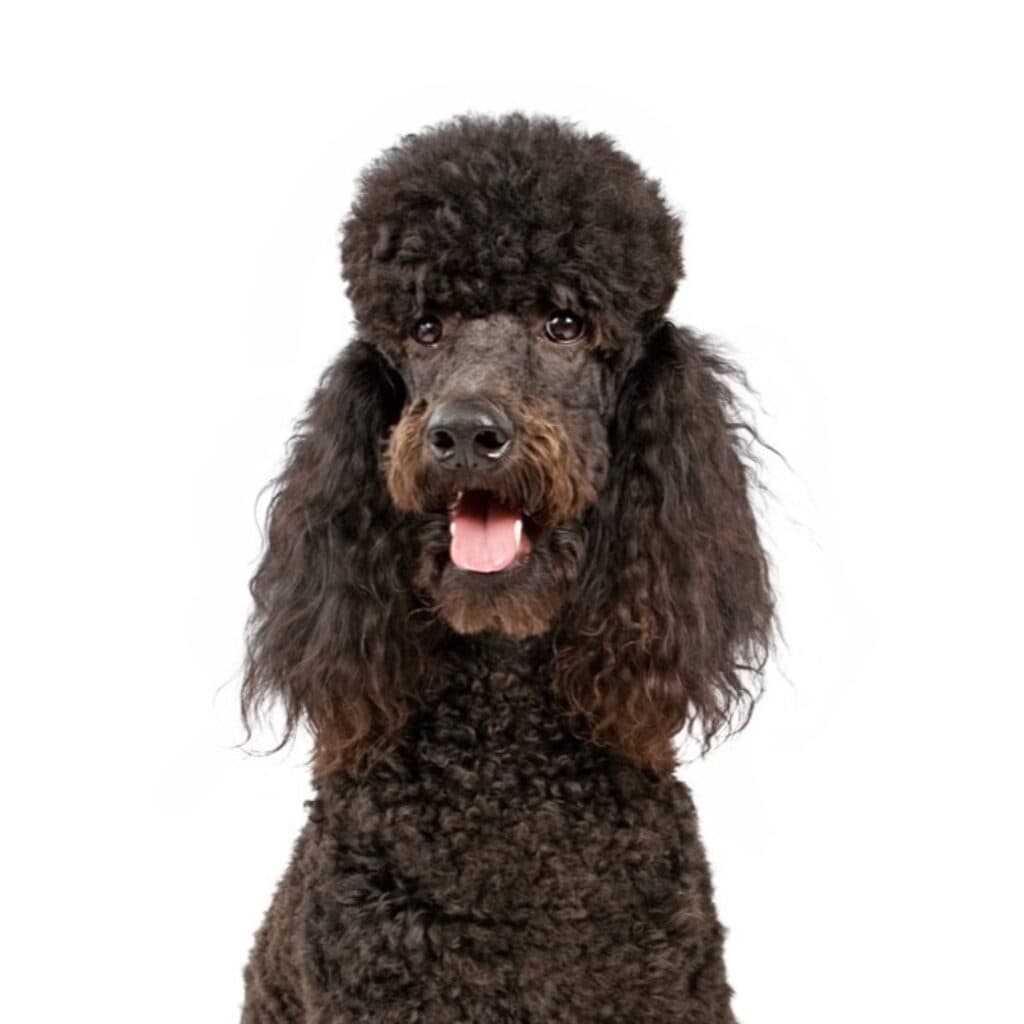
The Poodle with a bow on its head and a shampoo-fresh scent has a past nobody associates with it anymore: it went into icy water to retrieve downed ducks. The dense coat the breed still carries today doesn't exist to look elegant — it exists because it worked as thermal insulation against the cold of the hunt. Six breeds that now live on the couch were designed, down to the body, for one specific job. The shape that is left is not a breeder's whim. It is a tool that lost its function.
Six bodies, six different jobs
Poodle. Retrieved downed ducks from the water for hunters. The dense, curly coat insulated against the cold of the water during the work — today it needs regular grooming, but the structure underneath is still that of a dog made to swim.
Dalmatian. Ran beside the carriage, clearing the way and protecting the horses on the road. That is where the breed's taste for running long distances beside another animal comes from — a dog bred to keep pace, not to stand still.
Bulldog. Faced a bull tied in an arena, until the practice was banned in 1835. The heavy structure, low center of gravity and projecting jaw come from exactly that: a body designed to hold on and resist, not to last in a long run.
Dachshund. Went into the badger's burrow to face the animal underground. The elongated body and short legs are not aesthetics — they are the tool that lets it enter where no other hunting dog fits.
Newfoundland. Pulled fishermen's nets and rescued people in the cold waters of the North Atlantic. The partially webbed paws the breed keeps to this day are the equipment left over from that work — along with a thick, water-resistant coat.
Rottweiler. Drove cattle and carried, tied around its own neck, the butcher's money pouch, the butcher trusting the dog to protect the change on the way back from the market. It is the strangest trait on the list — and the one that survives least visibly in the body, because what remained here was the guarding temperament, not an anatomical part.
| Breed | Original job | Trait that remains |
|---|---|---|
| Poodle | Retrieved downed ducks from the water | Dense coat, thermal insulation |
| Dalmatian | Ran beside the carriage, protecting the horses | Endurance for long-distance running |
| Bulldog | Faced a bull tied in an arena | Heavy structure and projecting jaw |
| Dachshund | Entered the badger's burrow | Elongated body and short legs |
| Newfoundland | Pulled fishing nets and rescued people in the water | Partially webbed paws |
| Rottweiler | Drove cattle and guarded the butcher's money pouch | Guarding temperament and independence |
Is the body of these breeds still good for anything?
It is — except that the job has turned into household routine. The Poodle still needs water and frequent brushing because the coat that insulated against the cold mats without maintenance. The Dalmatian still asks for long runs: a dog bred to accompany a carriage for miles is not satisfied with a walk around the block. The Bulldog carries, in its heavy structure and short muzzle, a real predisposition to respiratory and joint problems — the same body that held a bull now demands extra care with heat and exertion. The Dachshund's elongated spine is its weak point: the shape that entered the burrow is also what raises the risk of disc problems over a lifetime. The Newfoundland still likes water more than most dogs, and the webbed paws make sense when swimming — not on a short sidewalk walk. The Rottweiler needs mental work and a role, because it was selected to make decisions on its own while driving cattle, not to spend the day waiting for its owner to come back.
None of these breeds lost the body it had. What it lost was the job that gave the body meaning. Today's routine has to replace, in another form, what that job provided.
That doesn't mean recreating the original hunt or rescue. It means looking at the physical trait and asking what it demands in practice: a dense coat needs brushing, an endurance body needs distance, a heavy structure needs control of exertion, an elongated spine needs care with impact, a webbed paw needs water available, a guarding temperament needs a role. The most common mistake is treating these traits as decoration — as if each breed's body were just appearance, when in fact it is the most direct record of its history.
What NOT to do
- Treat a dense coat (Poodle, Newfoundland) as merely aesthetic and skip regular brushing — without it, the coat that insulated against the cold mats and hurts the skin.
- Give too little exercise to endurance breeds, like the Dalmatian, and then be surprised by the excess energy indoors.
- Ignore signs of respiratory effort in the Bulldog, assuming it's just "normal tiredness" — the short muzzle and heavy structure call for extra attention with heat.
- Let the Dachshund go up and down stairs or the sofa unsupervised, without considering the risk to its elongated spine.
- Expect the Rottweiler to be satisfied with just a walk, with no activity that requires decision-making or a role.
Frequently asked questions
Can a dog breed's body change after the original job disappears?
It changes little over a few generations. What changes is selection: without the pressure of the original job, breeders start selecting for temperament and appearance, and purely functional traits tend to stay milder over time.
Is a Dachshund with no contact with a badger burrow still at risk of spine problems?
Yes. The risk comes from the shape of the body — elongated spine and short legs — not from the specific activity of hunting. It is worth avoiding impact and falls from height even in a dog that has never seen a burrow.
Does a Poodle need grooming even when living in an apartment with no contact with water?
Yes. The dense coat keeps growing and matting whether or not the dog swims — regular grooming is coat maintenance, not just aesthetics.
Is the Rottweiler aggressive by nature because of its working history?
No. The history of driving cattle and protecting cargo explains the willingness to guard and the independence in decision-making, not aggression. Temperament depends heavily on socialization and upbringing, not only on the breed's original function.
Find out which breed fits the routine you can offer — take the compatibility quiz →
Picked by score from our overall dog ranking, not by the topic of this article. To get it right for your pet — age, weight, spayed or neutered — take the quiz and get a list made for them. A pet with a diagnosed condition needs a diet prescribed by a veterinarian.



