5 Dog Breeds That Truly Thrive in a Small Apartment
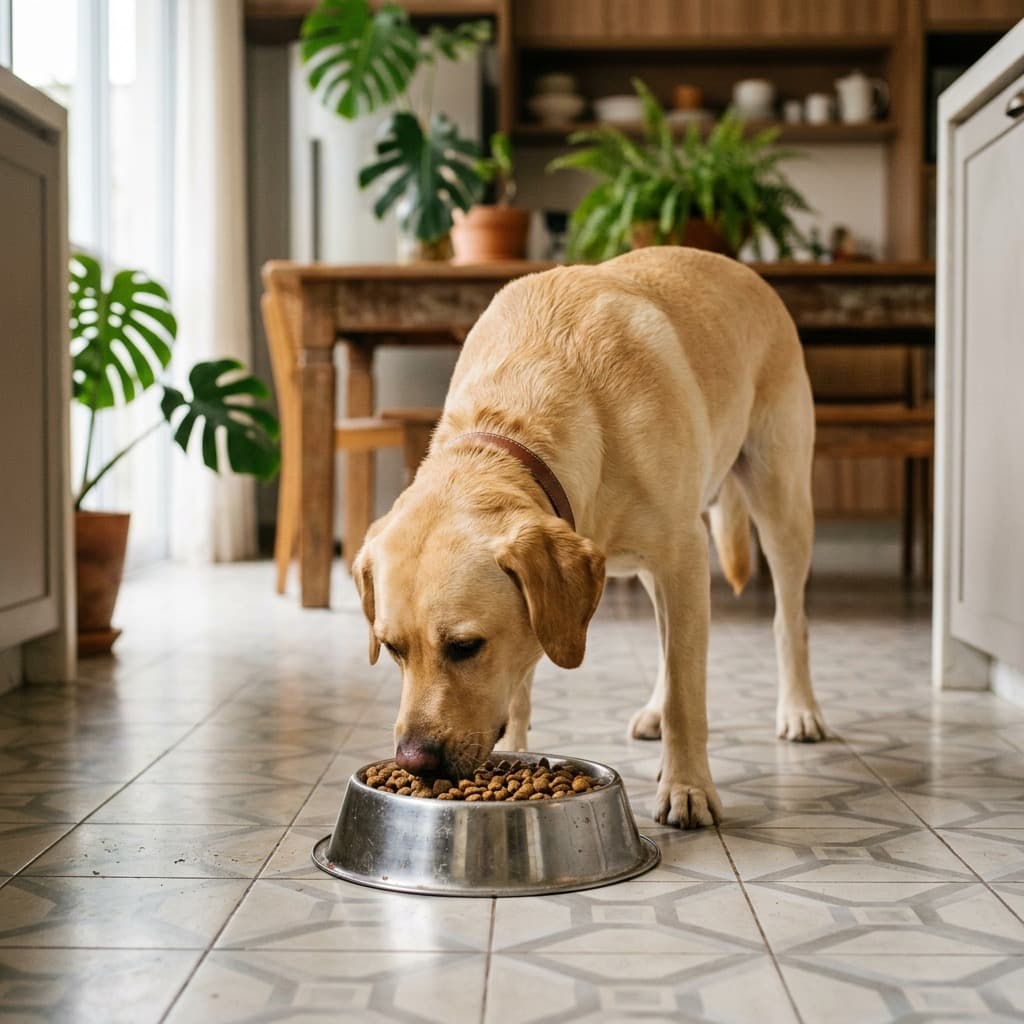
Plenty of people pick an apartment dog by size — the smaller the animal, the easier, they figure. But small size guarantees nothing: a hyper little dog bothers the neighbors more than a big one that lies down all day. What decides whether life in a tight space works is a different combination: energy level, tendency to bark and how well the dog tolerates being alone — not the square footage.
The real criterion is energy, not square footage
A high-energy dog has to burn that energy somewhere — if it is not on a long walk and hard play, it turns into wrecked furniture, excessive barking or anxiety. That is true at any size. A dog with low to moderate energy is satisfied with short walks and some mental stimulation indoors, and that profile — not body size — is what makes a small apartment work. Add the tendency to bark: quieter breeds bother fewer people in a building with thin walls, and tolerance for solitude, because a dog that suffers alone in an apartment becomes a neighbor complaint before it becomes a behavior problem.
Does small size mean low energy?
No. There are extremely active small breeds that suffer in an apartment without a long walk and intense play every single day — the opposite of what many people expect from an "apartment dog". Breed influences baseline temperament, but what decides whether a dog lives well in a small space is the combination of the breed's real energy with the routine the owner can offer. That is why the list below is not about "small dogs" — it is about that set of traits.
5 breeds that usually adapt well to apartments
| Breed | Why it adapts well | Watch out for |
|---|---|---|
| French Bulldog | Low energy, prefers the couch to a long walk, not a nuisance barker | Brachycephalic — copes poorly with heat and exertion |
| Shih Tzu | Companion breed, built for indoor life, does not demand running or a yard | Needs regular brushing so the coat does not mat |
| Cavalier King Charles Spaniel | Gentle and sociable, adjusts to any floor plan | Struggles to be left alone for many hours |
| Whippet | Burns energy in short sprints and spends most of the day lying down quietly | Still needs regular sprints despite the calm indoors |
| Bichon Frise | Content with indoor play and a short walk; sheds very little | Playful — still asks for daily stimulation |
French Bulldog — low energy, prefers the couch to a long walk, and is not a nuisance barker. The concern here is different: as a brachycephalic breed (short muzzle), it copes poorly with heat and exertion, so a cool environment and walks at mild hours matter more than space.
Shih Tzu — a companion breed built for indoor life, with no demand for running or a yard. It asks for a regular brushing routine so the coat does not mat, but on energy and noise it is discreet.
Cavalier King Charles Spaniel — gentle and sociable, adjusts to any floor plan. The concern is not space: it is difficulty being alone for many hours, since the breed was selected for constant companionship.
Whippet — surprises anyone who only looks at the athletic body. It is a sighthound that burns hard energy in short sprints and, once that is satisfied, spends most of the day lying down and quiet.
Bichon Frise — playful, but content with indoor play and a short walk. It sheds very little, which helps anyone in a small space keep things clean.
The 5 breeds, summarized
| Breed | Energy | What to know |
|---|---|---|
| French Bulldog | Low, prefers the couch to a long walk | Brachycephalic — copes poorly with heat and exertion |
| Shih Tzu | Low, built for indoor life | Regular brushing so the coat does not mat |
| Cavalier King Charles Spaniel | Moderate, companionship-driven | Struggles to be alone for many hours |
| Whippet | Short sprints, then lies down quietly | Little tendency to bark |
| Bichon Frise | Playful, content with a short walk | Sheds very little |
What NOT to do
- Choosing a breed by size alone, ignoring its real energy level.
- Leaving the dog alone for a stretch that does not match the breed — Cavaliers and similar companion dogs suffer more from that than from apartment size.
- Ignoring signs of overheating in brachycephalic breeds like the French Bulldog: it is not fussiness, it is a respiratory risk.
Frequently asked questions
Can a large-breed dog live in an apartment?
It can, if the dog's energy and walking routine match the space available — the limiting factor is daily energy expenditure, not the size of the dog's body.
Do Whippets really bark very little?
Yes, it is a common trait of the breed, but any dog can develop barking out of boredom or anxiety without stimulation — the breed reduces the tendency, it does not remove the need for a routine.
Can a French Bulldog go without air conditioning in summer?
Not on very hot days: the short muzzle reduces air exchange and the breed overheats faster than a long-muzzled dog, so ventilation and shade are mandatory on those days.
Do I need a yard for a Bichon Frise or a Shih Tzu?
No — both breeds were developed as companion dogs meant to live indoors; a yard is convenience, not a requirement.
After looking at the list, the filter is the same as at the start: choose by the breed's real energy and temperament, not by the square footage. Take the quiz and find the right food for your dog's routine →
Picked by score from our overall dog ranking, not by the topic of this article. To get it right for your pet — age, weight, spayed or neutered — take the quiz and get a list made for them. A pet with a diagnosed condition needs a diet prescribed by a veterinarian.



