Cat Only Eats When You're Near? What the Bowl Spot Says
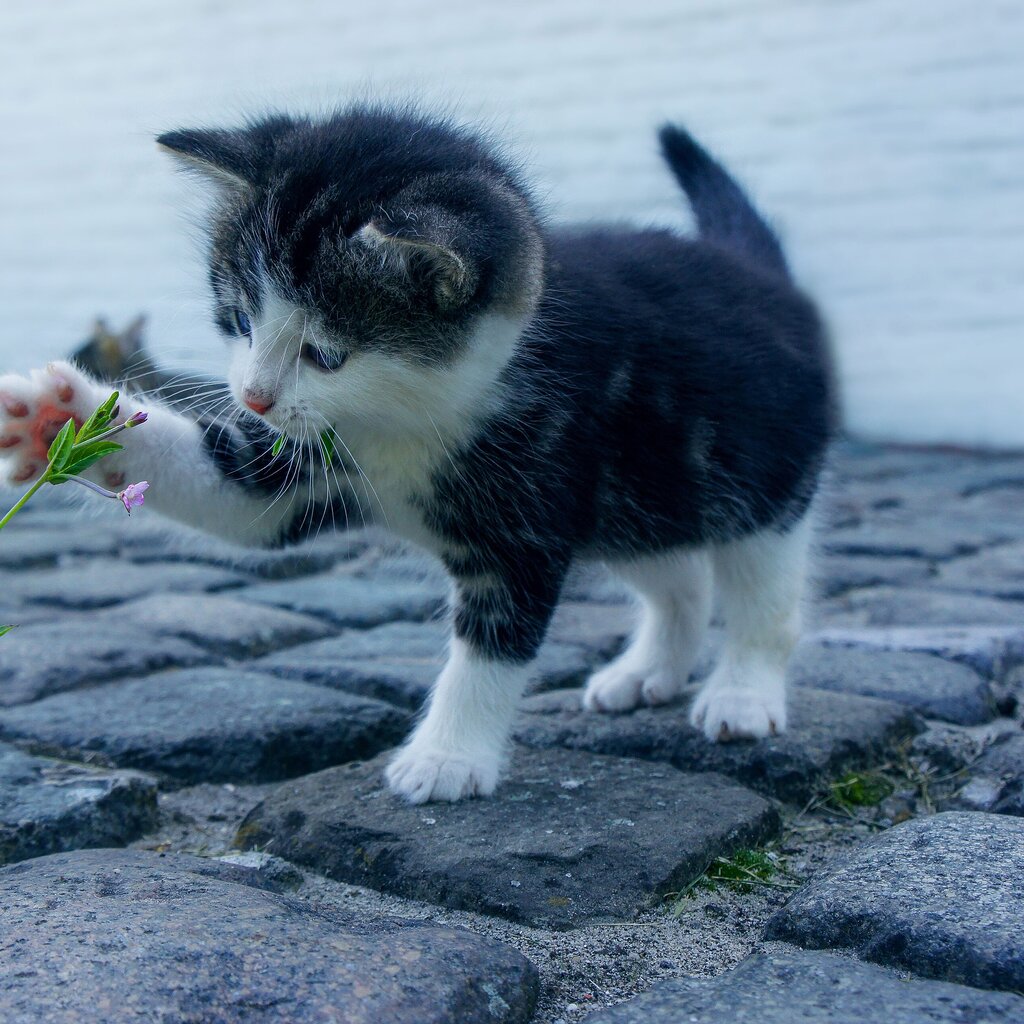
The AAFP/ISFM feline environmental needs guidelines recommend at least 2 feeding locations in the home, with food and water kept apart from each other. The reason is privacy: according to the document, individual feeding sites avoid the stress of competition for food. Cornell warns that a lack of appetite can have a severe impact on an adult cat's health in as little as 24 hours. So if your cat only eats with you nearby, it is worth testing a change of bowl spot and, if the fasting lasts, calling the veterinarian.
| What the guideline recommends | How it appears in the text |
|---|---|
| Feeding locations | At least 2 feeding sites per home |
| Food and water | Kept separate from each other |
| Each cat | Its own feeding stations |
| Individual sites | Give the privacy that avoids competition stress |
Why does my cat only eat when I'm nearby?
The guidelines do not claim that the owner's presence is the cause. What the AAFP/ISFM guidelines say is that a cat tends to "avoid and evade" what seems threatening to it, and that an environment with strange smells, noises and objects keeps it on alert. In practice, having you close can work as a safety signal.
That reading is an interpretation, not a clinical finding. The guidelines list strange smells, loud noises, unfamiliar objects and the presence of unfamiliar animals, or animals the cat dislikes, as signs of threat. Sensitivity to these things varies from cat to cat.
A cat that eats with you beside it and stops when you leave raises a question: what is it about the bowl's location that makes it tense? It could be the washing machine, a busy hallway, another pet in the house or a litter box that is too close. For the broader checklist, see Cat Won't Eat Dry Food: 6 Real Causes and Solutions.
Does the bowl location change how much a cat eats?
The AAFP/ISFM guidelines treat the feeding location as part of a cat's welfare: each resource, including the food and water bowls, should be in a location separate from the others. The source does not measure how much a cat eats in each spot. What it states is that location matters for comfort and for the cat's sense of control.
The same guideline says a cat should have a choice for each resource. The example given is at least two resting areas, two feeding areas and two elimination areas. It also recommends keeping wide separation between the litter box and the other resources.
For multi-cat homes, the text carries a useful warning: owners often assume cats get along when they gather to eat, but that may happen only because the food is in a single place. Many cats learn to "time share," visiting the bowl at different moments. That is why the guideline asks for each cat to have its own feeding stations.
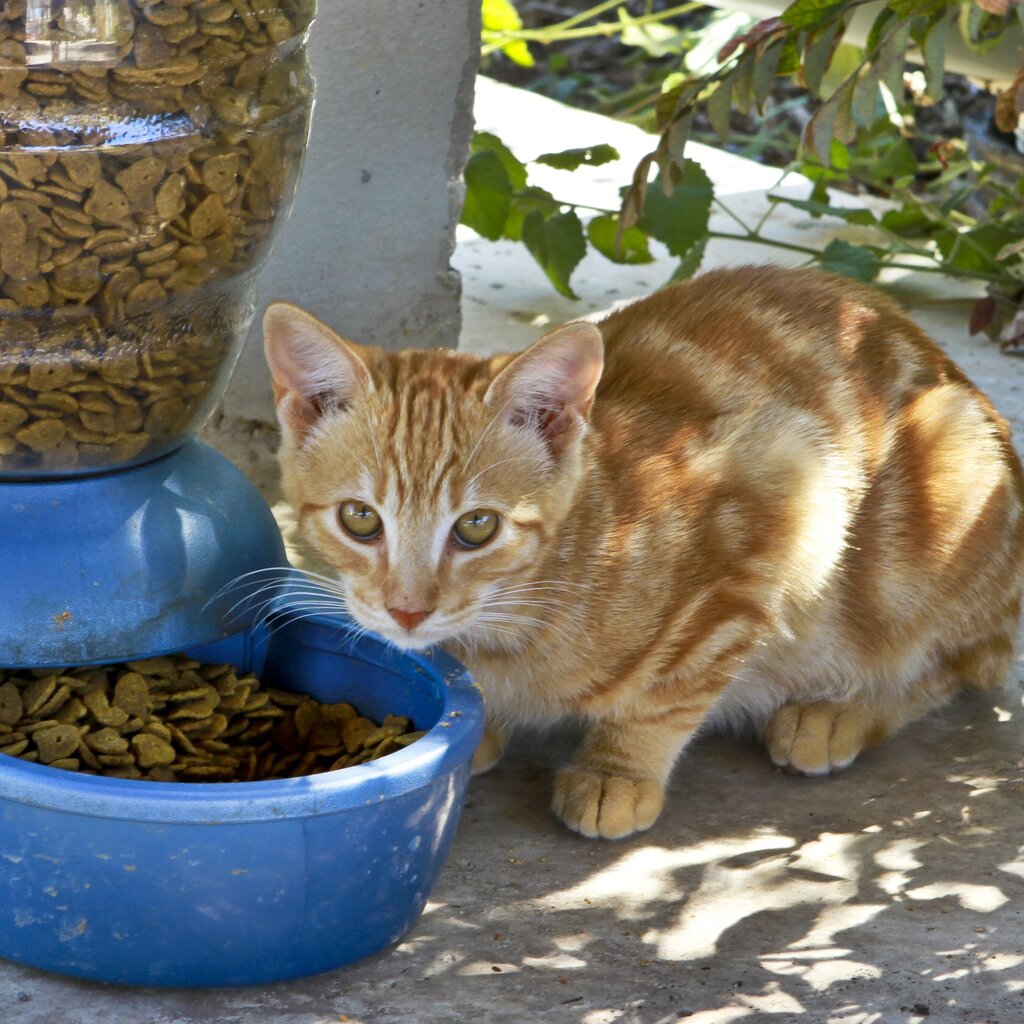
A simple test, which is the editorial team's suggestion and not the source's recommendation, is to move only the bowl for a few days. Pick a quiet corner, away from the litter box and the home's foot traffic, and watch whether your cat starts eating without you nearby. Changing one thing at a time shows which one was the problem, and switching the food at the same time muddies the reading.
Should food and water bowls be kept together?
No. The AAFP/ISFM guidelines state that food and water resources should be kept separate from each other, and that each resource should have its own location. This applies to a one-cat home and, even more so, to a multi-cat home.
The same source names the litter box as another resource that needs distance. The text asks for wide physical separation between elimination sites and the other resources. If the bowl sits next to the litter box, moving one of the two is the first change to test.
In short, the recommended practice is to spread things out: food in one spot, water in another, the litter box in a third and, if the home allows, 2 feeding locations.
When is not eating a health problem rather than pickiness?
When a cat eats little or nothing for too long, it stops being an environment question. Cornell states that, whatever its cause, anorexia can have a severe impact on a mature cat's health if it persists for as little as 24 hours. The center's advice is to see the veterinarian as soon as the owner notices the sign.
The same source lists causes that have nothing to do with the bowl: diseases such as diabetes, kidney disease and dental problems. It also cites causes rooted in the cat's psyche, such as another animal moving into the home and the loss of a feline companion. The source also notes that food avoidance occurs with relative frequency among cats placed in boarding kennels. It says that a cat that is not eating deserves a full veterinary workup.
The environment also weighs on mealtime. The AAFP/ISFM guidelines note that, in an unfamiliar clinic, it is not unusual for a cat to neither eat nor eliminate for the first 24 hours after arrival and only then return to normal. It is an example of stress affecting appetite, but it applies to the clinic and proves nothing about your home.
Cornell adds a caveat for kittens: in one younger than 6 weeks, food avoidance for just 12 hours can pose a lethal threat. A kitten that does not nurse or eat is a veterinarian case right away.
A cat that eats well when the owner is near and refuses when alone, but still eats some food over the course of the day, is a different picture from a cat that does not eat. If your cat goes the whole day without eating, or if the refusal comes with weight loss or signs of discomfort, call the veterinarian without waiting for the bowl test. The diagnosis belongs to the professional, and this text cannot assess your cat.
Does the food come into this conversation?
Last. Before switching brands, adjust the location, separate food, water and litter box, and watch for a few days. If your cat eats well with you nearby and the food is fresh, the food is probably not the problem. If your cat goes 24 hours without eating, the next step is the veterinarian, not a new brand.
If a switch still makes sense, choose a complete and balanced food for adult cats and transition gradually. The cat food ranking shows the profiles of the formulas in the catalog, and the comparison tool puts two options side by side.
Frequently asked questions
Does a cat that only eats with its owner nearby need a veterinarian?
If it eats well in your presence and eats throughout the day, the first step is to review the bowl location. If it goes a full day without eating, Cornell says that a lack of appetite can affect an adult cat's health within 24 hours, and the path is the veterinarian.
Can the water bowl sit next to the food bowl?
The AAFP/ISFM guidelines recommend that food and water be kept separate from each other. If the home allows, keep the litter box away from both as well.
Do I have to stand next to my cat at every meal?
The source does not address this. What it recommends is an environment where the cat feels safe, with individual, quiet feeding spots. If your cat only eats with you, it is worth testing a quieter location before assuming your presence is essential.
Picked by score from our overall cat ranking, not by the topic of this article. To get it right for your pet — age, weight, spayed or neutered — take the quiz and get a list made for them. A pet with a diagnosed condition needs a diet prescribed by a veterinarian.