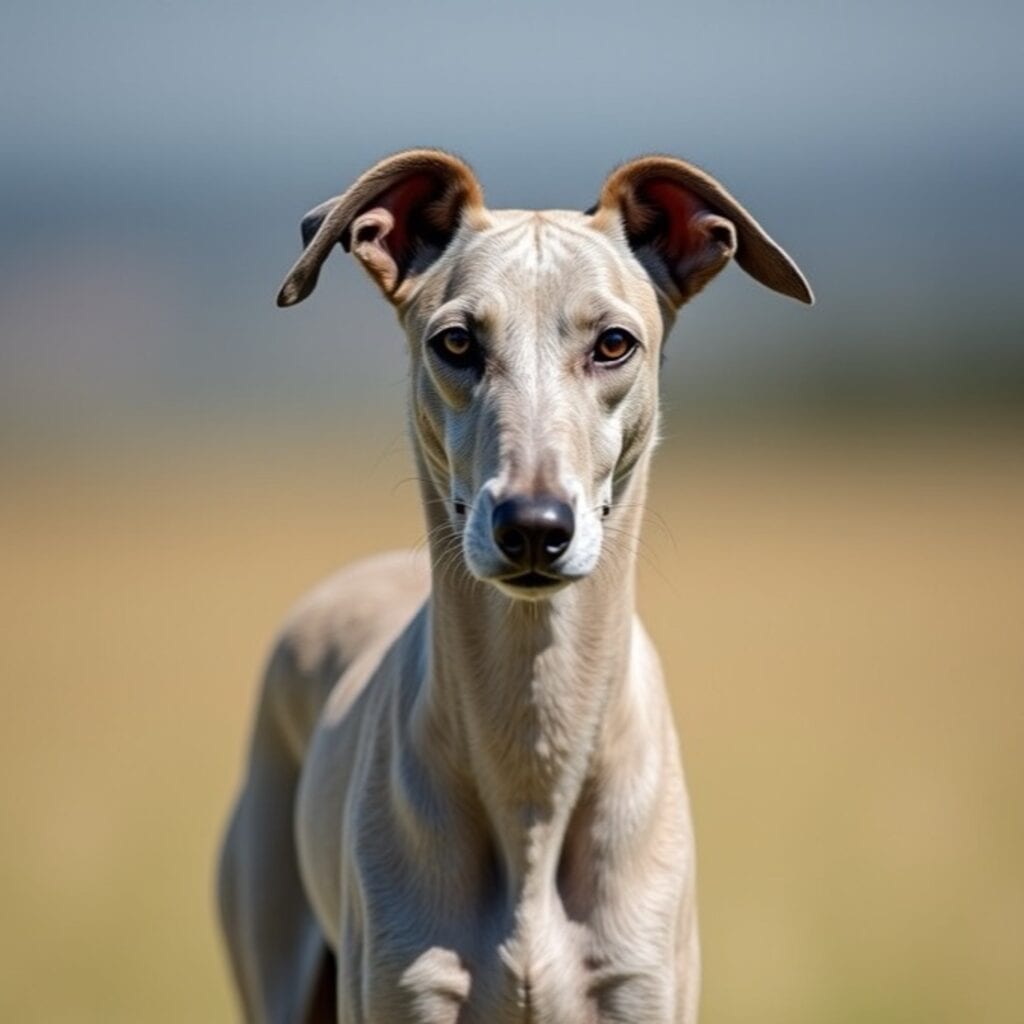
How Many Treats Can a Dog Have Per Day? The 10% Rule

A dog's treats should stay under 10% of its daily calories. That is the guidance in the WSAVA guide, from the World Small Animal Veterinary Association: "Treats should always make up less than 10% of a dog’s daily calorie intake." For an adult 10 kg (22 lb) dog that burns about 534 to 619 kcal a day, the ceiling is 53 to 62 kcal, counting everything that is not dog food.
This guide shows the math for 5, 10 and 20 kg dogs, how much to take out of the bowl, and what counts as a treat.
How many treats can a dog have per day?
The limit is set in calories, not in pieces. WSAVA says treats should make up less than 10% of the dog's daily calorie intake. How many biscuits fit under that depends on the dog's weight and on the calories in each treat, so the same bag can be too much for one dog and fine for another.
The table below uses the same portion math as the dog food pages in our catalog, for an adult dog with low to moderate activity. The calorie range runs from the low to the moderate energy coefficient, and the ceiling is 10% of it.
| Dog's weight | Calories per day | Treat ceiling (10%) |
|---|---|---|
| 5 kg (11 lb) | 318 to 368 kcal | 32 to 37 kcal |
| 10 kg (22 lb) | 534 to 619 kcal | 53 to 62 kcal |
| 20 kg (44 lb) | 898 to 1,040 kcal | 90 to 104 kcal |
To turn the ceiling into a number of treats, divide it by the calories in one treat. WSAVA advises that for commercial treats you "contact the manufacturer for calorie information if not stated on the label." Without that number, the math cannot be closed.
How do you take treats out of the dog's food?
Treats are part of the day's calories, so the food shrinks by the same share. If treats take 10% of the calories, the food supplies the other 90%. In practice, cut about 10% from the portion listed for your dog's weight, then adjust by watching the dog's body condition.
Here is one example with Purina Pro Plan Complete Essentials Shredded Blend Chicken & Rice (3,790 kcal/kg in the US catalog). For a 10 kg dog, the full portion is 141 to 163 g a day. If treats use the full 10%, the food drops to 90% of that: 141 g × 0.9 = 127 g and 163 g × 0.9 = 147 g, so about 127 to 147 g.
Treats count even when they do not look like food. WSAVA defines them this way: "Treats include any food items that are given to your dog in addition to a complete and balanced diet." The guide adds that they include "snacks, chews, supplements, and foods used to administer medication," whether commercial or "home prepared using food intended for people."
If the dog's weight climbs anyway, trim the treats before touching the bowl. The site's calculator does the math for your dog's weight and food: calculate the daily portion and the cost of the dog food.
Can treats replace a dog's meal?
No. WSAVA is direct: "Treats should never replace a meal – every dog needs a complete and balanced diet." It also warns that too many treats can be harmful if they "unbalance the main diet" or "contribute to unintended weight gain."
Giving treats at set times, away from mealtime, helps keep the two apart. To find the right amount and type for your own dog, WSAVA recommends that you "chat with your dog’s veterinary health care team to determine a suitable quantity and type of treat."
Which dog treats are lowest in calories?
The lowest-calorie treat is the one that fits under the 10% ceiling without crowding out the rest of the diet. Calories vary enormously from one treat to another, and that decides how big the reward can be, so read the label and compare calories per serving before you buy.
The energy table in the WSAVA guide shows the gap: 1 oz (28 g) of lean cooked chicken breast without skin has 47 kcal, while 1 oz (28 g) of cheddar cheese has 120 kcal. For a 10 kg dog with a ceiling of 53 to 62 kcal, the cheese alone is over the limit.
A few simple habits keep the day under the ceiling:
- Break the treat in half. The dog reacts to the gesture, not to the size of the piece.
- Use part of the dog's own food as the training reward, and take it out of the bowl.
- Set aside the day's allowance in a jar each morning and use only what is in it.
- Agree on the rule with the household: everyone who hands out treats uses the same jar.
Not every treat is safe, whatever its calories. WSAVA warns that bones, cooked and raw, "can be very dangerous," and lists as toxic chocolate; onions, leeks, shallots, garlic and chives; and grapes, raisins, currants and sultanas. A dog with a medical condition or on a veterinary-prescribed diet may need a specific treat, so ask your veterinarian.
Which adult dog foods make the 10% math easy?
To run the math you need to know the food's calories. These four adult dog foods in our US catalog declare kcal/kg, which makes the treat deduction straightforward. The "guaranteed analysis" on the bag lists protein, fat, fiber and moisture, but the energy figure is what sets the portion.
| Dog food | kcal/kg | Portion for 10 kg | With treats at 10% |
|---|---|---|---|
| Purina Pro Plan Complete Essentials Shredded Blend Chicken & Rice | 3,790 | 141 to 163 g | 127 to 147 g |
| Hill's Science Diet Adult Chicken & Barley | 3,675 | 145 to 168 g | 131 to 151 g |
| Royal Canin Size Health Nutrition Medium Adult | 3,616 | 148 to 171 g | 133 to 154 g |
| Blue Buffalo Life Protection Formula Chicken & Brown Rice Adult | 3,633 | 147 to 170 g | 132 to 153 g |
The more calorie-dense the food, the smaller the portion. So when you switch brands, redo the treat math too. To compare more foods with scores, open the dog food ranking.
Frequently asked questions
Can I give my dog treats every day?
Yes, as long as the total stays under 10% of the day's calories, as WSAVA advises. What matters is the sum of everything that is not the dog's food.
Can a small dog eat the same treats as a big dog?
The math changes with weight. A 5 kg dog has a ceiling of 32 to 37 kcal a day, against 90 to 104 kcal for a 20 kg dog. That is why a big dog's treat is often too rich for a small one.
Does people food count as a treat?
Yes. WSAVA includes treats "home prepared using food intended for people" in its definition, and notes that "human food and table scraps can be unhealthy and potentially dangerous to dogs."
Getting treats right is simple math: under 10% of the day's calories, taken out of the food. With the right portion for your dog's weight, a treat stays a pleasure without becoming an excess.
Picked by score from our overall dog ranking, not by the topic of this article. To get it right for your pet — age, weight, spayed or neutered — take the quiz and get a list made for them. A pet with a diagnosed condition needs a diet prescribed by a veterinarian.