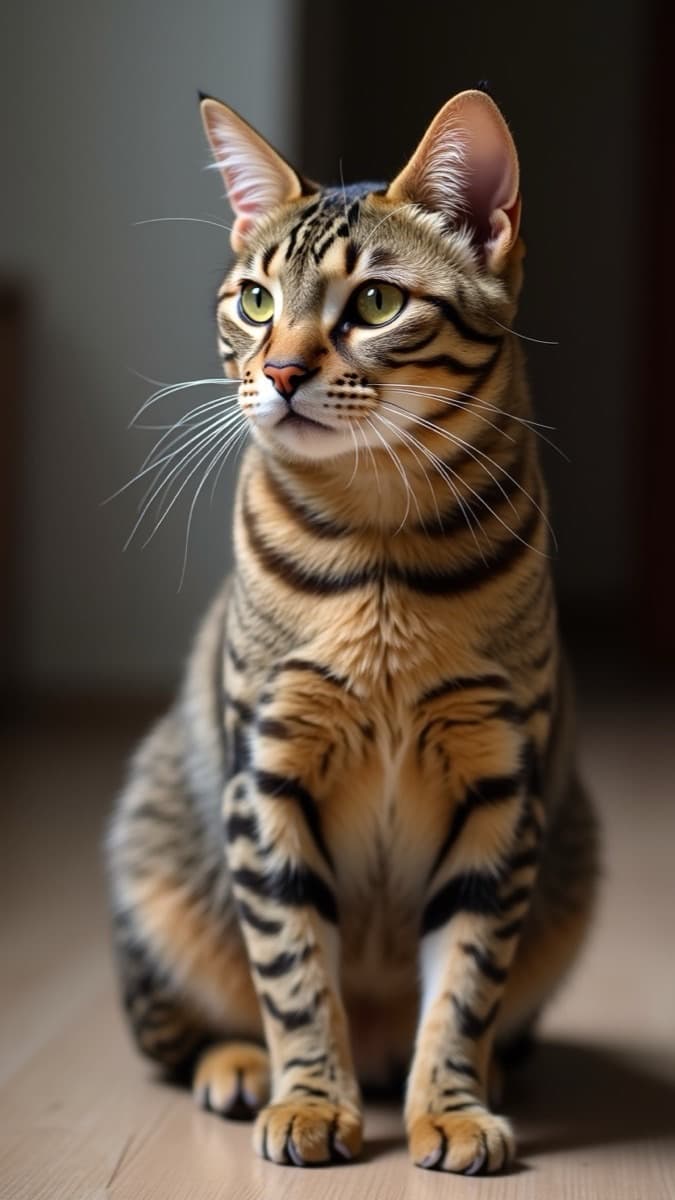
The Brazilian Shorthair weighs between 4 kg and 6 kg, is medium in size and moderate in energy — the first cat breed recognized as native to Brazil, derived from the local domestic population. The breed has no specific documented nutritional predisposition; the priority is a medium-size food with caloric density proportional to weight and weight control across life.
In the current My Pet Magazine analysis, the best food for the Brazilian Shorthair is ACANA Indoor Entrée (ACANA), with a technical score of 87.8/100 (🌟 Superior Quality), calculated with the My Pet Magazine IDNM/IPFI methodology across 50 cat foods reviewed in July 2026. See the full ranking ↓
What to weigh in food for the Brazilian Shorthair
With no documented health predisposition for the breed, choosing the Brazilian Shorthair's food follows three practical criteria tied to size and genetic origin.
Medium size. An adult Brazilian Shorthair usually weighs between 4 kg and 6 kg — which calls for a food formulated for medium size, with caloric density and a macronutrient profile compatible with that body weight.
Moderate energy. The breed has moderate energy, neither as intense as active oriental breeds nor sedentary. A food with balanced energy avoids both thinness and weight gain beyond what is healthy.
A broad genetic base. Coming from Brazil's local domestic population — the same broad gene pool as mixed-breed cats — the breed does not concentrate the isolated hereditary mutations that appear in the closed lines of other breeds. That does not remove the need for good nutrition, but it explains why there is no breed-specific nutritional care to follow here.
Criteria scored against the My Pet Magazine nutritional targets (protein, fat, calcium and caloric density ranges by size — see our methodology).
Breed profile and predispositions
The Brazilian Shorthair has no specific nutritional predisposition documented in the veterinary literature. Unlike breeds with a documented history of hereditary disease, it is the first breed recognized as native to Brazil, derived from the local domestic population — the same broad gene pool that characterizes mixed-breed cats — selected for medium size (4 kg to 6 kg), a short coat and an adaptable temperament.
In that scenario, the nutritional reference is the adult maintenance profile from AAFCO — Understanding Pet Food Labels, which sets the reference nutritional parameters for the maintenance life stage. According to AAFCO — Selecting the Right Pet Food, the food needs to reflect the animal's actual activity level. With no specific documented predisposition, the Brazilian Shorthair's nutritional priority is maintaining the ideal weight with a diet balanced according to those standard maintenance profiles.
Recommended foods for the Brazilian Shorthair
Ranked by IDNM/IPFI technical score across 50 cat foods — no manual product curation.
- 1
ACANA Indoor Entrée · ACANA
87.8/100 - 2
Purina Pro Plan Sensitive Skin & Stomach · Purina Pro Plan
86.5/100 - 3
BLUE Wilderness Adult Indoor · Blue Buffalo
86/100 - 4
Nulo Freestyle Cat & Kitten · Nulo
85.8/100 - 5
Tiki Cat Born Carnivore Indoor Health · Tiki Cat
85.8/100
Frequently asked questions about Brazilian Shorthair food
- Does the Brazilian Shorthair need a special food?
- There is no specific documented nutritional predisposition for the breed. What matters is choosing a medium-size food with caloric density proportional to the cat's weight (4 kg to 6 kg) and energy matched to his moderate activity level, following AAFCO's adult maintenance profiles.
- What is the ideal weight for an adult Brazilian Shorthair?
- An adult Brazilian Shorthair usually weighs between 4 kg and 6 kg, which classifies the breed as medium. That reference weight helps calculate the daily portion and choose a food with caloric density suited to the cat's size.
- Why doesn't the Brazilian Shorthair have a documented breed predisposition like other cat breeds?
- Because the breed comes from Brazil's local domestic population — the same broad gene pool as mixed-breed cats — selected for physical traits and temperament, not through lines isolated over generations. That reduces the chance of concentrated hereditary mutations, unlike breeds with a documented history of familial disease.
- Does the Brazilian Shorthair have any disease associated with diet?
- There is no specific nutritional predisposition documented in the veterinary literature for the breed. The priority is general adult maintenance nutrition — quality protein, adequate fat and a portion calibrated to the cat's actual weight (4 kg to 6 kg), following AAFCO's adult maintenance profiles.
- Does the Brazilian Shorthair gain weight easily like a mixed-breed cat?
- The breed has moderate energy, and the risk of excess weight follows the same pattern as any cat at that activity level: a sedentary indoor life reduces calorie expenditure. It is not a documented genetic predisposition of the breed, but a lifestyle factor worth controlling with a measured portion.
Methodology
The block of recommended foods on this page is ordered by My Pet Magazine's IDNM/IPFI technical score, which evaluates the nutritional quality and ingredient purity of every product available for the Brazilian Shorthair's medium-size profile. The order is calculated automatically and updated whenever the catalog changes — no brand pays to appear, and there is no manual product selection.
The ranking on this page is a projection of the My Pet Magazine IDNM/IPFI scoring engine over the cat dataset, with no manual product curation. See the full methodology →
Want a recommendation tailored to your Brazilian Shorthair?